
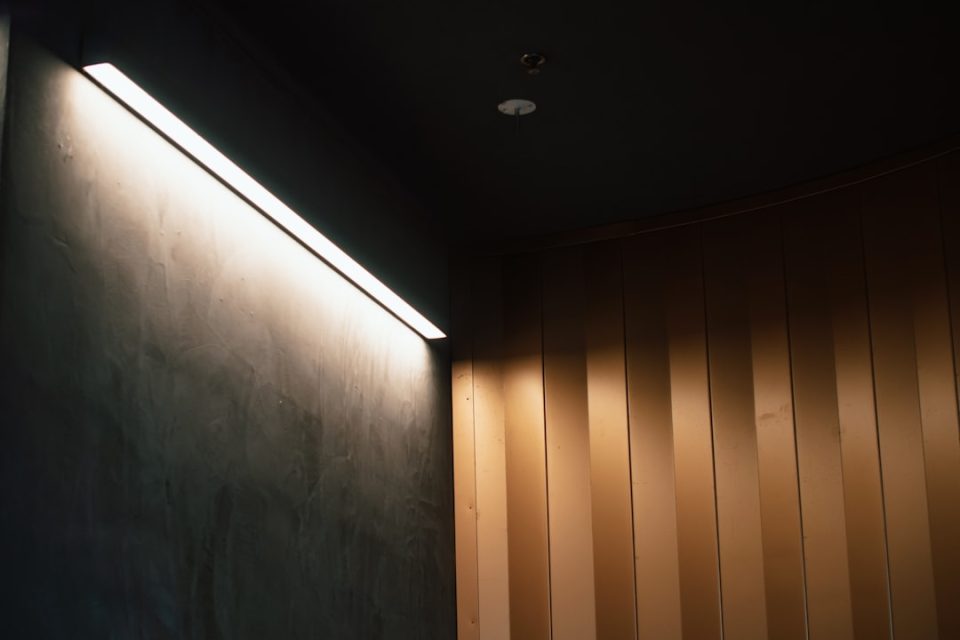
Artful Glass: Sculptural Pleated Overhead Lighting refers to a specialized category of illumination devices that integrate artistic glasswork with functional lighting, employing a pleated, sculptural form. These fixtures transcend mere utility, functioning as significant interior design elements and often serving as focal points within architectural spaces. Their design philosophy centers on the manipulation of light through textured and shaped glass, creating dynamic visual effects and influencing the overall ambiance of an environment. This article will explore the historical context, design principles, manufacturing processes, and applications of this distinctive form of overhead lighting.
Defining Sculptural Pleated Overhead Lighting
Sculptural pleated overhead lighting is characterized by its three-dimensional, often folded or crimped, glass components that diffuse and refract light. Unlike traditional flat or spherical luminaires, these fixtures involve complex geometric or organic shapes, where the “pleats” contribute both to the aesthetic form and the optical properties of the piece. The term “sculptural” emphasizes their artistic intent and inherent objecthood, positioning them as pieces of art in addition to functional objects.
Historical Context and Evolution
The integration of glass into lighting has a long history, dating back to early oil lamps with protective glass shades. However, the sophisticated architectural and artistic application of glass in overhead lighting, particularly in pleated forms, is a more recent development influenced by various artistic movements and technological advancements.
Early Influences on Glass and Light
The use of stained glass in ecclesiastical architecture, predating modern lighting, established a precedent for manipulating light through colored and textured glass. Later, the Art Nouveau and Art Deco periods saw a significant surge in artistic glasswork, with designers like Louis Comfort Tiffany pioneering new techniques for shaping and coloring glass in decorative objects, including lamps. These movements laid the groundwork for viewing lighting fixtures as artistic statements.
Mid-Century Modern and Avant-Garde Design
The mid-20th century, particularly the Mid-Century Modern movement, witnessed a further evolution. Designers began to experiment with modular forms, new materials, and innovative manufacturing techniques. While not always pleated, the emphasis on sculptural forms and the manipulation of light through material gained prominence. Avant-garde artists and architects also pushed boundaries, considering light itself as an artistic medium and its diffusion through textured surfaces as a critical design element.
Contemporary Revival and Technological Integration
The resurgence of interest in handcrafted and bespoke design in the late 20th and early 21st centuries, coupled with advancements in LED technology, has propelled sculptural pleated overhead lighting into a prominent position. Modern manufacturing techniques, such as kiln-forming and precision cutting, allow for intricate pleating patterns and greater control over glass properties. The integration of efficient and long-lasting LED light sources has also freed designers from the constraints of traditional incandescent bulbs, enabling more compact and complex sculptural forms.
Design Principles and Aesthetic Considerations
The design of sculptural pleated overhead lighting is governed by a set of principles that blend artistic vision with functional requirements. These principles dictate the visual impact, light distribution, and overall atmosphere created by the fixture.
Form and Materiality
The primary element is the glass itself. Designers carefully select glass types based on their optical properties (transparency, translucency, opacity), color, and ability to be shaped. The “pleats” can range from subtle folds to sharp, angular creases, each impacting how light interacts with the surface. Consider the glass as a canvas, and the pleats as the artist’s brushstrokes, shaping the very light that passes through. The form can be geometric, organic, abstract, or even representational, each conveying a distinct message.
Transparency and Opacity
The degree of transparency or opacity of the glass significantly affects light output and visual effect. Transparent glass offers clear, directional light, while translucent or opaque glass diffuses light, creating a softer, more ambient glow. Pleats in translucent glass often create mesmerizing patterns of light and shadow on surrounding surfaces, adding depth and texture to the environment.
Color and Finish
Colored glass introduces an additional dimension, tinting the emitted light and influencing the mood of a space. Designers may utilize clear, frosted, sandblasted, or dichroic glass finishes, each offering unique reflective and refractive qualities. A frosted finish, for instance, can soften harsh light, while a polished finish might enhance geometric precision.
Light Interaction and Diffusion
The core function of these fixtures is light, and their design heavily influences how that light is distributed. The pleats act as miniature lenses and reflectors, bending and breaking up the light source. This can lead to:
- Soft, Diffused Illumination: When pleats are designed to scatter light, they can create a uniform, ambient glow, minimizing harsh shadows. Imagine the pleats as a multi-faceted prism, breaking white light into a spectrum of softer hues.
- Directional or Targeted Lighting: In some designs, pleats can be oriented to direct light towards specific areas, creating focused pools of illumination.
- Dynamic Light Patterns: The interplay of light and shadow created by the pleats can project intricate patterns onto ceilings, walls, and floors, adding visual interest and movement to a space. Think of sunlight filtering through venetian blinds, but with a more sophisticated and artistic intention.
Scale and Proportion
The size and proportion of the fixture are crucial for its integration into a space. A large, dramatic sculptural piece might become the focal point of a grand foyer, while smaller, more subtle fixtures could adorn a dining area. The pleating pattern itself contributes to the perceived scale; finer pleats can make a fixture appear delicate, while bolder pleats convey a sense of strength.
Manufacturing Processes and Techniques
The creation of sculptural pleated overhead lighting involves a blend of traditional glassmaking techniques and modern fabrication methods. The choice of process often dictates the complexity and aesthetic qualities achievable.
Kiln-Forming and Slumping
Kiln-forming, particularly slumping, is a common technique. Flat sheets of glass are laid over a mold within a high-temperature kiln. As the glass heats, it softens and “slumps” into the mold, taking on its shape. This method is ideal for creating complex curves and pleats, offering significant control over the final form. The “pleats” are effectively created by the contours of the mold.
Glass Blowing and Shaping
While not always directly “pleated” in the traditional sense, free-hand glass blowing techniques can be employed to create organic, folded, or rippled glass forms that mimic pleats. Skilled artisans manipulate molten glass using tools and their breath to achieve intricate, sculptural shapes. This method retains a strong artisanal character, and each piece tends to be unique.
Precision Cutting and Fabrication
For highly geometric or sharp-edged pleats, precision cutting techniques, such as waterjet cutting or laser cutting, are utilized. These methods allow for accurate and repeatable patterns to be cut from glass sheets. These cut pieces are then often assembled or fused together to create the final pleated structure. Consider the precision of a master tailor, cutting fabric to create sharp folds.
Surface Treatments and Finishes
After initial shaping, various surface treatments can be applied to achieve desired optical and aesthetic effects. These include:
- Sandblasting: Creates a frosted, diffuse surface that softens light.
- Etching: Uses acid or abrasive methods to create patterns or textures on the glass.
- Polishing: Enhances clarity and brilliance.
- Dichroic Coatings: Applied layers that reflect specific wavelengths of light, creating iridescent effects.
Applications and Contextual Integration
Sculptural pleated overhead lighting finds applications in a diverse range of architectural and interior design settings, serving both functional and aesthetic purposes. Their ability to deliver both illumination and artistic presence makes them versatile design tools.
Residential Environments
In residential spaces, these fixtures can transform rooms, offering more than just light.
- Living Rooms and Dining Areas: A prominent pleated chandelier can serve as a central decorative element, defining the space and setting the mood for gatherings. The light refracted through the pleats can create an engaging halo effect.
- Bedrooms: Softer, more diffused pleated fixtures can contribute to a serene and calming ambiance.
- Entryways and Foyers: A sculptural piece in an entrance creates a powerful first impression, acting as a welcoming beacon.
Commercial and Hospitality Spaces
In commercial and hospitality environments, the fixtures contribute to brand identity and customer experience. Think of them as the silent ambassadors of the space’s aesthetic.
- Hotels and Resorts: Large-scale pleated installations in lobbies, ballrooms, and restaurants can create luxurious and memorable environments. They contribute to the guest experience by elevating the overall design.
- Retail Stores: Eye-catching sculptural lighting can draw attention to merchandise, highlight specific zones, and enhance the upscale perception of a brand.
- Restaurants and Bars: The play of light and shadow from pleated fixtures can create intimate or dramatic dining experiences, setting the tone for the venue.
Public and Institutional Buildings
In public and institutional buildings, these fixtures can contribute to an imposing or inspiring atmosphere.
- Museums and Galleries: While direct lighting is crucial for exhibits, sculptural overhead lighting in public areas can provide ambient light and serve as architectural statements themselves.
- Corporate Offices: In executive areas or reception spaces, sophisticated pleated lighting can project an image of elegance and modernity, reflecting the company’s ethos.
- Auditoriums and Theatres: Large-scale pleated designs can enhance the architectural grandeur of performing arts venues, contributing to the overall aesthetic impact of the space.
Maintenance and Durability
Like any bespoke or high-design fixture, sculptural pleated overhead lighting requires consideration for maintenance and durability to ensure its longevity and aesthetic integrity.
Cleaning and Care
Due to their intricate shapes and often delicate materials, these fixtures require careful cleaning. Accumulation of dust or debris can diminish their light output and aesthetic appeal.
- Regular Dusting: Gentle dusting with a soft, lint-free cloth or a specialized duster is recommended.
- Spot Cleaning: For more stubborn marks, a mild, non-abrasive glass cleaner applied to a cloth (not directly to the fixture) can be used. It is crucial to avoid harsh chemicals that could damage the glass finish or integrated electrical components.
- Professional Cleaning: For large or highly intricate installations, professional cleaning services specialized in art glass or delicate fixtures may be advisable.
Structural Integrity and Longevity
The durability of these fixtures depends heavily on the quality of materials and manufacturing.
- Glass Type: Tempered or laminated glass may be used in applications where increased strength or safety is required, reducing the risk of breakage.
- Installation: Correct and secure installation is paramount. The weight of sculptural glass fixtures necessitates robust mounting hardware and professional installation.
- Electrical Components: The lifespan of integrated LED light sources is generally long, but accessibility for replacement or maintenance of drivers and wiring should be considered during design and installation. Selecting high-quality, reputable electrical components contributes directly to the overall longevity and reliability of the fixture. As with any electrical device, adherence to local electrical codes is non-negotiable.
Conclusion
Artful Glass: Sculptural Pleated Overhead Lighting represents a convergence of art, design, and engineering. These fixtures are more than just sources of illumination; they are statements in glass, shaping space through light and form. Their historical roots, intricate design principles, diverse manufacturing processes, and varied applications demonstrate their significance in contemporary interior architecture. By understanding the complexities involved, from the careful selection of glass to the meticulous crafting of pleats, one can appreciate the value these pieces bring to any environment they inhabit. As designers continue to explore the possibilities of light and material, sculptural pleated overhead lighting is poised to remain a distinctive and influential element in the realm of architectural illumination.