
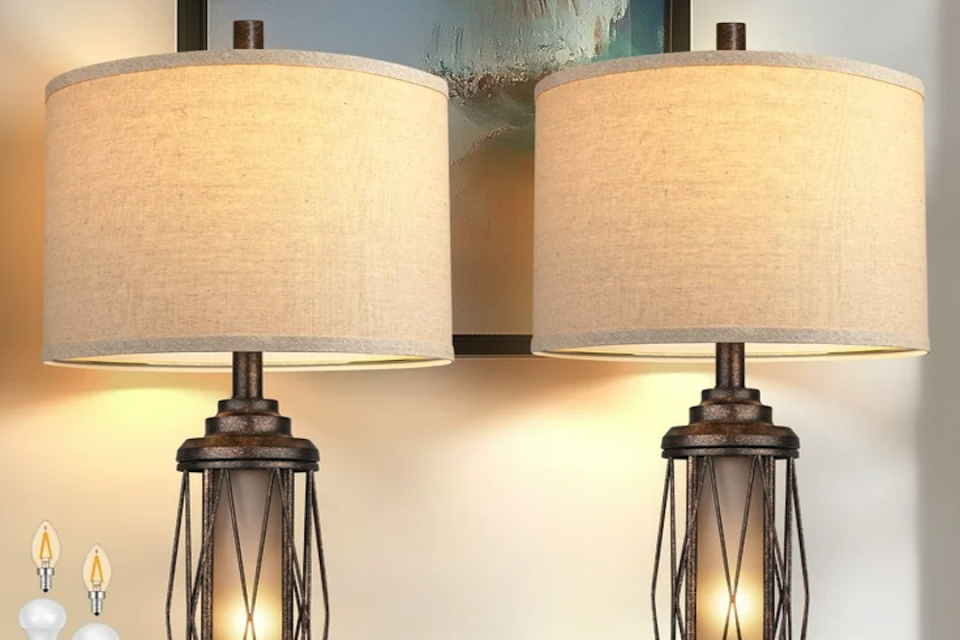
The living room, a central gathering space in most homes, benefits from thoughtful design choices. Among these, lighting plays a crucial role, influencing both utility and atmosphere. While many lighting options exist, the mid-century frosted glass table lamp offers a compelling combination of style and practicality, making it a valuable addition to various interior schemes. This piece explores the attributes and applications of this specific type of lamp, examining its historical context, design characteristics, and potential impact on a contemporary living space.
The Allure of Mid-Century Design
Mid-century modernism, a design movement spanning roughly the 1930s to the 1960s, prioritized functionality, clean lines, and a connection to natural forms. This era embraced new materials and manufacturing techniques, resulting in furniture and decor that were both aesthetically pleasing and accessible. The frosted glass table lamp Mosundesign , a frequent resident of this period, embodies these principles with its understated sophistication and practical output.
A Brief History of Mid-Century Lighting
Post-World War II advancements in materials like fiberglass and plexiglass, alongside evolving manufacturing processes, allowed designers to experiment with new forms and light diffusion techniques. The mid-century era saw a departure from ornate, heavy fixtures towards lighter, more sculptural pieces. Frosted glass, offering a softer, more diffused light compared to clear glass, became a popular choice for lamps intended to create a comfortable, inviting ambiance rather than direct, harsh illumination.
Key Design Principles of the Era
Mid-century design is characterized by its emphasis on simple forms, organic curves, and often a blend of natural and man-made materials. Functionality was paramount; items were designed to serve a purpose efficiently and elegantly. The frosted glass lamp, with its often minimalist base and diffused light, aligns perfectly with these principles, providing necessary illumination without overwhelming the visual space.
Understanding Frosted Glass
The frosted finish on glass is not merely decorative; it serves a specific purpose in light distribution. Achieved through various methods, frosting alters the transparency of the glass, scattering light rather than allowing it to pass through directly.
How Frosted Glass Diffuses Light
When light hits frosted glass, microscopic surface irregularities cause the light rays to refract and reflect in multiple directions. This diffusion process effectively softens the light, reducing harsh shadows and glare. Unlike clear glass, which can produce intense, focused beams, frosted glass creates a more even and gentle glow, ideal for background or ambient lighting.
Types of Frosted Finishes
Frosted glass can be produced through acid etching, sandblasting, or applying a specialized coating. Each method yields a slightly different aesthetic and level of diffusion. Acid etching produces a smooth, permanent frost, while sandblasting creates a more textured finish. Coated glass offers versatility in terms of frost intensity and can sometimes be removed. The choice of finish affects the lamp’s overall appearance and the quality of light it emits.
Design Features of Mid-Century Frosted Glass Lamps
Mid-century frosted glass lamps exhibit a range of design characteristics, though certain recurring elements define their aesthetic. These features contribute to their enduring appeal and adaptability in various living room settings.
Base Materials and Forms
The bases of these lamps often feature materials popular in the mid-century period, such as wood (teak, walnut, oak), brass, chrome, or even ceramic. Forms tend to be clean and often geometric, ranging from slender cylindrical stems to more sculptural, abstract shapes. The base provides stability and also contributes significantly to the lamp’s overall stylistic impression.
Shade Shapes and Integration
While the frosted glass itself functions as the primary light diffuser, the shade’s shape and its integration with the base are crucial. Many mid-century frosted glass lamps feature spherical, conical, or mushroom-shaped frosted glass shades. In some designs, the glass element is the shade, sitting directly on the base. In others, the frosted glass is enclosed within a larger, often metal, frame. This integration impacts how the light is directed and the lamp’s visual weight.
Typical Dimensions and Placement
Mid-century table lamps generally maintain an appropriate scale for placement on side tables, console tables, or bookshelves. Their dimensions are usually not overly large, allowing them to complement existing furniture without dominating the space. This considerate sizing contributes to their effectiveness as accent lighting rather than primary illumination.
Practical Applications in the Living Room
The mid-century frosted glass table lamp offers several practical advantages when incorporated into a living room design. Its light quality and aesthetic contribute to a balanced and inviting environment.
Creating Ambient Lighting
One of the primary functions of this type of lamp is to provide ambient lighting. Unlike task lighting, which focuses on a specific area for activities like reading, ambient lighting creates a general, soft glow that fills the room. The diffused light from frosted glass is ideal for this purpose, contributing to a relaxed and comfortable atmosphere, particularly in the evenings.
Enhancing Visual Interest and Layering
Beyond pure illumination, a well-placed mid-century frosted glass lamp can act as a decorative element, adding visual interest to a room. Its distinctive design can become a focal point or a subtle accent. By incorporating multiple light sources, including these lamps, homeowners can layer their lighting, creating depth and dimension in the living space. This layering allows for flexibility in adjusting the room’s mood.
Functionality as Task Lighting (with caveats)
While primarily suited for ambient lighting, some mid-century frosted glass lamps with more direct, albeit still diffused, downward light emission can offer a degree of task lighting for activities like casual reading or intricate craftwork. However, for focused, intensive tasks, a dedicated task lamp with clearer light and adjustable direction would be more effective. The frosted glass’s primary role remains overall light softening.
Selecting the Right Lamp for Your Space
Choosing the appropriate mid-century frosted glass table lamp involves considering its compatibility with your existing decor, the specific lighting needs of the room, and the lamp’s overall presence.
Considering Room Size and Layout
The size and layout of your living room should influence your lamp selection. In smaller rooms, a more demure lamp with a compact footprint might be suitable. In larger spaces, a more substantial or multiple lamps can help distribute light more effectively and fill the visual expanse. Consider how the lamp will fit on its intended surface and its relationship to surrounding furniture.
Harmonizing with Existing Decor
A mid-century frosted glass lamp can complement a variety of interior styles, not just strictly mid-century modern. Its clean lines and diffused light can integrate well with minimalist, contemporary, and even some traditional aesthetics. Consider the base material, color, and overall form of the lamp to ensure it harmonizes with your current color palette, furniture materials, and stylistic preferences. A brass base, for instance, might pair well with warmer tones, while chrome could suit a cooler, more industrial aesthetic.
Bulb Choice and Light Temperature
The bulb you choose for your frosted glass lamp significantly impacts the color temperature and brightness of the light. LED bulbs are energy-efficient and come in various color temperatures, from warm white (2700K-3000K) to cool white (4000K-5000K). For a cozy living room ambiance, a warm white bulb is often preferred, as it mimics the glow of incandescent light. Experimenting with different wattage equivalents can also help achieve the desired brightness level.
In conclusion, the mid-century frosted glass table lamp is more than just a light source; it is a design element that marries functionality with a timeless aesthetic. Its ability to cast a soft, diffused glow contributes to a comfortable living environment, while its clean lines and thoughtful construction align with principles of good design. For those seeking to enhance their living room with a piece that offers both practical illumination and understated elegance, the mid-century frosted glass table lamp warrants consideration.