
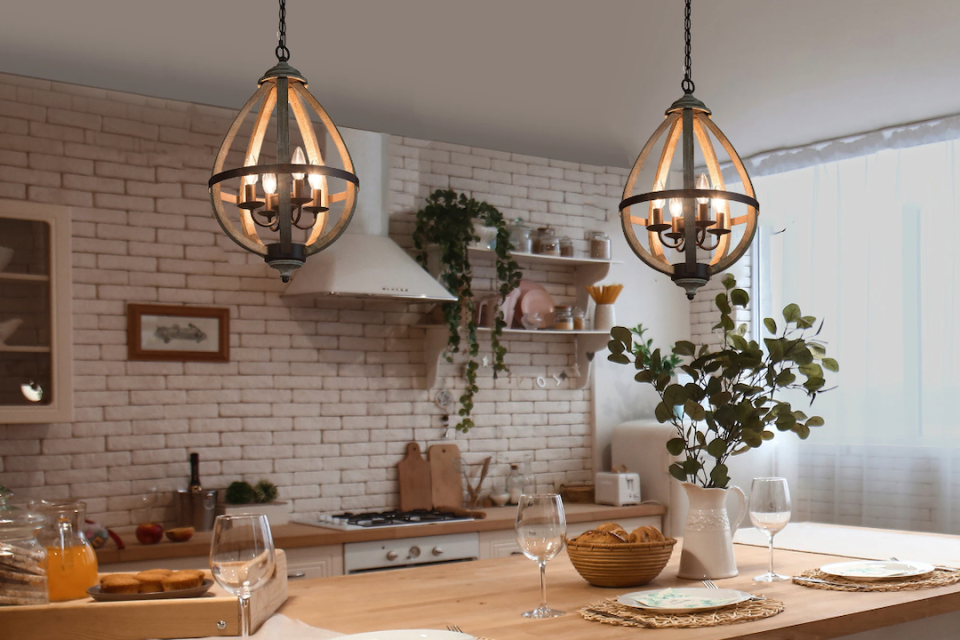
When you picture a country dining room, what comes to mind? Often, it’s a cozy, lived-in space with warm textures and a sense of history. A rustic wooden lantern chandelier can absolutely be the finishing touch that brings this vision to life. It’s not just about light; it’s about adding a substantial piece of décor that speaks to the soul of a country aesthetic.
What Makes a Rustic Wooden Lantern Chandelier Work?
The appeal lies in its blend of raw, natural materials and a design that evokes simpler times. Unlike ornate, overly polished fixtures, a wooden lantern chandelier Iolamp brings an element of groundedness. It feels authentic and complements the often natural, earthy palette of country décor. Think wood grains, visible joinery, and a shape that’s both functional and charming. It’s a piece that contributes to the overall atmosphere, not just illuminates the table.
The Materials Matter
The type of wood and its finish play a huge role in the overall look and feel of the chandelier. This isn’t just about picking a pretty wood; it’s about how that wood interacts with the rustic theme.
Wood Types and Their Characteristics
- Pine: Often a go-to for rustic pieces due to its affordability and ease of working. Pine has a natural knotty character that adds visual interest and a classic “country” feel. It takes stains well, allowing you to achieve a range of finishes from light and weathered to deeply rich.
- Oak: A sturdier, more traditional choice. Oak lends a substantial feel and often showcases beautiful grain patterns. It can be stained to highlight these natural features, offering a more refined rustic look.
- Reclaimed Wood: This is where true character comes in. Wood salvaged from old barns, fences, or buildings brings its own history and imperfections. Each piece will have unique variations in color, texture, and even nail holes, making your chandelier truly one-of-a-kind. This adds a layer of authenticity that is hard to replicate.
- Cedar: Known for its warm color and natural aroma, cedar can add a subtle sensory element to your dining space. Its slightly reddish tones can be quite beautiful when finished.
Finishes That Enhance the Rustic Feel
- Natural/Clear Coat: Allows the natural beauty of the wood grain and any inherent imperfections to shine through. This is a great option if you have a specific wood species you want to showcase.
- Distressed/Weathered: Achieved through various techniques like sanding, liming, or applying special paints and waxes. This finish mimics the look of aged wood, giving the chandelier an instant sense of history and character. It’s less about perfection and more about a lived-in look.
- Stained (Light to Medium Tones): Stains in honey, amber, or light walnut tones can warm up the wood and bring out its natural warmth. These are classic country colors that pair well with most dining room palettes.
- Painted (White Wash, Chalk Paint): Lighter, often matte finishes like white wash or a soft chalk paint can give the chandelier a more farmhouse or cottage feel. This can help to lighten the look of a larger fixture and make it feel less imposing.
Design Elements to Consider
Beyond the wood, the actual construction and design of the lantern itself are critical. It’s about how the light is diffused, the overall shape, and how it integrates with other elements in the room.
Lantern Styles
- Caged Lanterns: These often feature a central light source (bulbs or faux candles) enclosed within a wooden or metal frame, resembling a traditional lantern. The “bars” of the cage can be wood or metal, often with a black or dark bronze finish to add contrast.
- Open Frame or Geometric Designs: Some modern interpretations forgo the full “cage” and instead use geometric wooden frames to hold the bulbs. Think squares, rectangles, or even hexagonal shapes arranged in a chandelier format. These can offer a slightly more contemporary take on rustic.
- “Barn Door” or Plank Styles: These chandeliers might be constructed from planks of wood, giving them a substantial, almost architectural feel. They can resemble miniature barn doors or have a more rectilinear, blocky appearance.
- Multi-Tiered Lanterns: For larger dining rooms, you might find multi-tiered versions. These can create a more dramatic focal point and offer a greater spread of light.
The Role of the Light Source
The type of bulbs you choose will significantly impact the ambiance.
- Edison Bulbs: These classic incandescent bulbs with exposed filaments are almost synonymous with rustic and industrial aesthetics. Their warm, low glow is perfect for creating a cozy atmosphere. However, they can be energy-intensive and have a shorter lifespan.
- LED Edison Bulbs: A more energy-efficient alternative that mimics the look of traditional Edison bulbs. They come in various warmth levels, so you can still achieve that desired glow.
- Faux Candle Bulbs: These often have a drip-like appearance, further enhancing the rustic charm. They provide a soft, ambient light.
Integrating a Wooden Lantern Chandelier into Your Country Dining Room
It’s not just about picking the right fixture; it’s about making sure it complements what you already have and elevates the overall design.
Scale and Proportion
This is perhaps the most crucial practical consideration. A dining room chandelier is a focal point, and it needs to be the right focal point.
- Room Size: For a standard dining room, a chandelier that’s roughly one-third to one-half the width of your dining table is a good starting point. If you have a very large room or a long, rectangular table, you might consider a larger fixture or even two smaller ones.
- Table Size: The chandelier should visually balance with your dining table. A tiny chandelier over a large, chunky wooden table will look out of place, and vice-versa. It should feel like a natural extension of the table’s presence.
- Ceiling Height: A very low ceiling might require a more streamlined fixture, perhaps one designed to hang closer to the ceiling or with a shorter chain. Conversely, a high ceiling can accommodate a more dramatic, cascading chandelier. Measure the distance from the floor to the ceiling so you can accurately assess hanging heights.
Placement and Hanging Height
The correct hanging height is vital for both aesthetics and practicality.
- Above the Dining Table: The general rule of thumb is to hang the bottom of the chandelier about 30 to 36 inches above the surface of the dining table. This provides sufficient clearance for people to stand up without bumping their heads, while still allowing the light to illuminate the table surface effectively.
- Clearance from Walkways: If the chandelier is in an area where people walk, ensure there’s ample headroom. You generally want at least 7 feet of clearance from the floor to the bottom of the chandelier in high-traffic areas.
Complementing Your Existing Décor
The chandelier shouldn’t exist in isolation. It needs to tie into the rest of your room’s elements.
- Color Palette: Consider the dominant colors in your dining room. If you have a lot of warm wood tones, a similar wood tone in the chandelier will create a cohesive look. If you have more neutral colors, a bolder wood or a contrasting metal element on the chandelier can add a nice focal point.
- Other Materials: Do you have metal accents elsewhere in the room (e.g., cabinet hardware, picture frames)? If so, ensure the metal finish on your chandelier (if it has any) complements these. For instance, if you have brushed nickel hardware, a chandelier with rubbed bronze or black metal accents might work well.
- Overall Style: While you’re aiming for country, think about the specific sub-style. Is it more farmhouse, rustic lodge, or cottage? A heavily distressed, knotty pine chandelier might lean more farmhouse, while a more finely crafted oak fixture could fit a lodge setting.
Practical Considerations for Installation and Maintenance
Putting up a light fixture can seem daunting, but it’s often more manageable than people think. And keeping it looking good is usually straightforward.
Installation Basics
- Professional vs. DIY: If you’re not comfortable with electrical wiring, it’s always best to hire a qualified electrician. Improper installation can be dangerous. However, if you have basic DIY skills and a good understanding of electrical safety, replacing an existing fixture can be a weekend project.
- Ceiling Support: Chandeliers can be heavy. Ensure your ceiling electrical box is rated to support the weight of the fixture. Often, a standard box isn’t enough for a heavier chandelier, and a reinforcing brace might be needed. This is another reason to consult an electrician if you’re unsure.
- Wiring: Always turn off the power at the breaker box before you start any electrical work. Follow the manufacturer’s instructions carefully.
Cleaning and Upkeep
Wooden chandeliers require a bit more care than their metal counterparts.
- Dusting: Regular dusting is essential to prevent build-up. Use a soft, dry microfiber cloth. For hard-to-reach areas, a soft brush attachment on a vacuum cleaner on a low setting can be helpful.
- Wood Care: Depending on the finish, you might need occasional wood conditioning. For distressed or painted finishes, avoid harsh cleaners. A slightly damp cloth should suffice for general cleaning. For natural or stained wood, a wood polish specifically designed for furniture can help maintain its sheen, but use sparingly and test in an inconspicuous area first.
- Bulb Replacement: When replacing bulbs, ensure the fixture has cooled down and the power is off. Always use the type and wattage of bulbs recommended by the manufacturer to avoid damage or fire hazards.
The Aesthetic Impact on Your Space
It’s not just about the practicalities; it’s about how a rustic wooden lantern chandelier makes you feel and how it visually transforms the room.
Creating a Warm and Inviting Atmosphere
The natural, organic feel of wood immediately lends warmth to a space. The soft, ambient light often produced by these chandeliers (especially with Edison bulbs) creates a cozy, intimate setting, perfect for family dinners, entertaining friends, or even just a quiet meal. It moves away from the sterile, modern feel and embraces a more comfortable, lived-in quality.
Adding Character and a Sense of History
A well-chosen rustic wooden lantern chandelier can be a conversation starter. Its design and materials often evoke a sense of nostalgia or connection to simpler times. Especially if you opt for reclaimed wood, you’re bringing a piece of history into your home. This adds depth and personality to your dining room, making it feel more unique and personal.
Anchoring the Dining Space
In a room that might otherwise feel a bit disjointed, a substantial chandelier can act as a visual anchor. It draws the eye upwards and grounds the dining area. This is particularly true if you have a large dining table; the chandelier then becomes a balancing element, completing the composition of the room.
Versatility Within the Country Theme
While the term “country” is broad, a wooden lantern chandelier is surprisingly versatile within this umbrella.
- Farmhouse: Clean lines, distressed finishes, and perhaps some black metal accents fit perfectly with the farmhouse aesthetic.
- Rustic Lodge: Richer wood tones, perhaps with a more prominent grain or visible joinery, can complement a lodge look.
- Cottage Style: Lighter woods, whitewashed finishes, and a more delicate silhouette can suit a cottage or Shabby Chic dining room.
By understanding the nuances of different wood types, finishes, and designs, you can select a rustic wooden lantern chandelier that not only illuminates your dining room but also tells a story and enhances its overall charm.