
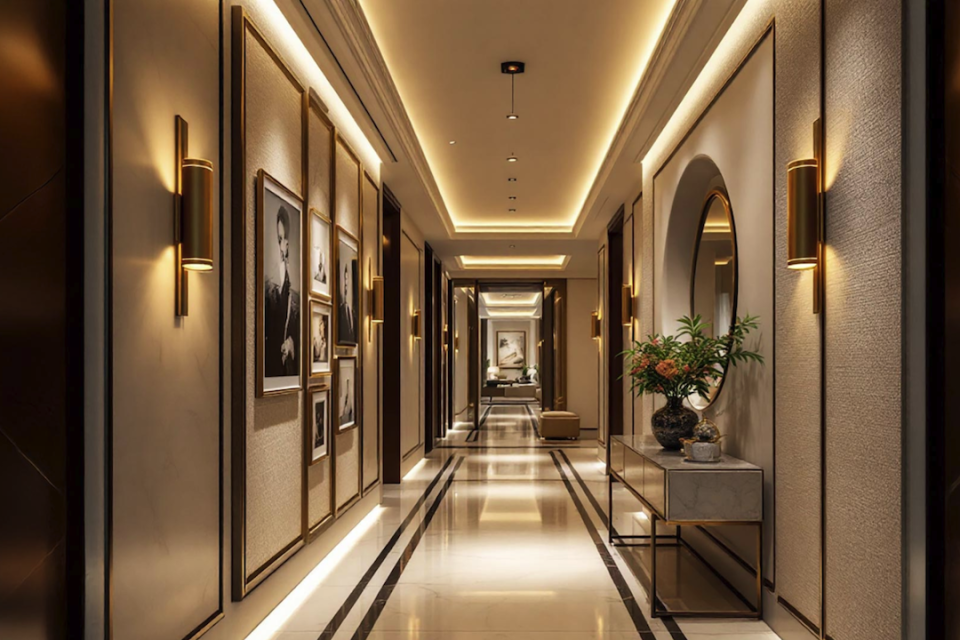
A hallway, often perceived as a transitional space, can be elevated from a mere passageway to a deliberate design element with the strategic inclusion of an elegant glass light. This article explores the impact, selection, and installation of such fixtures, demonstrating how they can transform a functional area into a statement of style and sophistication.
Hallways, by their very nature, are often enclosed areas that can benefit significantly from artificial illumination. The absence of natural light Mosundesign can render them dim, unwelcoming, and even unsafe. An elegant glass light fixture, however, acts as more than just a source of illumination; it becomes a focal point, a piece of art, and an influential factor in the overall ambiance of the home.
Addressing the Practicalities of Hallway Lighting
Illumination Levels and Safety
A primary purpose of any light fixture is to provide adequate illumination. In a hallway, this is crucial for navigation and safety. Adequate lighting prevents trips and falls, particularly in areas where visibility might otherwise be compromised. The lumen output of a glass light should be sufficient to evenly light the entire length of the hallway without creating harsh shadows or overly bright spots.
Measuring Brightness: Lumens and Lux
The brightness of a light bulb is measured in lumens. A higher lumen count indicates a brighter light. For hallways, a general recommendation is to aim for a light level that allows for comfortable vision. Lux meters can be used to precisely measure illuminance, but for most residential applications, selecting bulbs with an appropriate lumen output for the fixture’s coverage area is sufficient.
Minimizing Glare
Glass, while aesthetically pleasing, can also be a source of glare if not managed effectively. The design of an elegant glass light fixture should consider how the light is diffused. Frosted, etched, or textured glass can soften the light, reducing direct and potentially uncomfortable glare, while still allowing sufficient illumination. As a metaphor, consider the difference between staring directly at the sun versus looking at it through a slightly hazy sky – the latter is more comfortable and reveals more detail.
Enhancing Aesthetic Appeal
Beyond its functional role, an elegant glass light fixture serves as a decorative element. The design of the fixture itself contributes to the hallway’s style, whether it leans towards contemporary, traditional, or minimalist aesthetics. The interplay of the glass material with the surrounding architecture and decor can create a cohesive and visually appealing environment.
Style Considerations: Matching Your Decor
The style of the glass light should harmonize with the existing decor of the hallway and the adjoining rooms.
Contemporary and Modern Hallways
For contemporary and modern spaces, minimalist glass fixtures with clean lines and geometric shapes often work well. Think of clear or frosted glass cylinders, spheres, or rectangular panels. These designs often emphasize the material itself and the quality of light it emits.
Traditional and Classic Hallways
In traditional or classic interiors, more ornate glass designs might be appropriate. This can include fixtures with intricate etched patterns, beveled glass, or even Tiffany-style stained glass, provided it complements the overall period aesthetic. The glasswork can act as a subtle accent, much like a finely embroidered detail on a garment.
Transitional and Eclectic Hallways
Transitional hallways, which blend elements of both modern and traditional styles, offer flexibility. Here, a glass light with a slightly more elaborate frame but a simpler glass shade, or vice versa, can provide a balanced approach. Eclectic hallways allow for bolder choices, where a unique glass light can become a conversation piece.
Material Choice Beyond Glass
While the focus is on glass, the framing and support materials of the fixture also play a significant role in its overall elegance.
Metal Finishes
Metals such as brass, brushed nickel, chrome, or oil-rubbed bronze can complement glass shades in various ways. Brass and oil-rubbed bronze often suit warmer, more traditional decors, while chrome and brushed nickel lend themselves to contemporary and modern designs. The finish can act as a frame for the glass, much like a matting around a photograph.
Other Materials
In some designs, wood or other natural materials might be incorporated into the fixture’s structure, adding an organic element that contrasts with the coolness of glass.
The Role of Glass in Light Diffusion
Glass is a versatile material that can manipulate light in numerous ways, contributing to the desired atmosphere. The type of glass and its treatment are key factors in achieving specific lighting effects.
Types of Glass Used in Lighting
Frosted Glass
Frosted glass obscures direct views of the bulb, diffusing the light and creating a softer, more ambient glow. This is particularly useful in reducing harsh shadows and creating a welcoming atmosphere.
Etched Glass
Etching involves removing a thin layer of glass, creating patterns or textures. This can add decorative detail while still allowing light to pass through. The intricacy of the etching can range from simple linear designs to complex motifs.
Clear Glass
Clear glass offers an unobstructed view of the bulb. This can be desirable when using decorative LED bulbs designed to be seen. However, it also presents a higher risk of glare.
Seeded or Bubbled Glass
Glass with small air bubbles or imperfections can add visual interest and a unique texture to the light as it is diffused. This effect can evoke a sense of handcrafted quality.
Textured Glass
Various textures, such as ribbed, hammered, or wave patterns, can refract light in interesting ways, creating dynamic visual effects on walls and ceilings.
The Impact of Transparency and Opacity
The degree of transparency or opacity of the glass directly influences how the light is perceived. Opaque glass will cast a more subdued light, while highly transparent glass will allow for brighter, more direct illumination with less diffusion. This is akin to the difference between a spotlight and a diffused stage light.
Beam Spread and Light Distribution
The design of the glass fixture, in conjunction with the bulb, dictates the beam spread and how light is distributed.
Downward, Upward, and All-Around Lighting
Some fixtures are designed to direct light primarily downwards, useful for illuminating specific areas like a console table at the end of the hallway. Others cast light upwards, creating a sense of height and openness. Many elegant glass lights offer all-around illumination, providing a balanced and consistent light level throughout the space.
Creating Ambiance Through Light Patterns
The way light emanates from the glass can create distinct patterns on surrounding surfaces. Some fixtures produce a soft, diffused glow, while others might cast intricate shadows or patterns, adding a layer of visual depth. This can be compared to the way sunlight filters through leaves, creating dappled patterns on the ground.
Designing Your Hallway with Glass Lights
Selecting the right elegant glass light for your hallway involves considering its size, shape, and the type of light it will emit, all within the context of your hallway’s dimensions and your personal style.
Scale and Proportion: Finding the Right Fit
The size of the glass light fixture should be proportionate to the dimensions of the hallway. An oversized fixture in a narrow hallway can feel overwhelming and obtrusive, while a fixture that is too small can be lost and fail to provide adequate light.
Hallway Length and Width
For long and narrow hallways, a series of smaller, uniformly spaced fixtures can provide consistent lighting. Alternatively, a single statement fixture placed strategically might be more impactful. Wider hallways can accommodate larger or more elaborate fixtures.
Ceiling Height
The ceiling height is a critical factor in determining the appropriate drop or suspension length of a pendant or chandelier-style glass light. In rooms with lower ceilings, flush-mount or semi-flush mount fixtures are generally more suitable to avoid creating a visual obstruction. Higher ceilings offer more flexibility, allowing for longer suspensions to create a dramatic focal point.
Types of Elegant Glass Light Fixtures
The array of available glass light fixtures for hallways is diverse, catering to various design preferences.
Pendant Lights and Chandeliers
Pendant lights, with their suspended shades, can add a decorative element and a sense of elegance. A single pendant can serve as a focal point, while multiple pendants can create a rhythmic effect. Chandeliers, traditionally associated with larger spaces, now come in more scaled-down versions that can be suitable for spacious hallways, offering a glamorous statement.
When to Choose a Pendant
Pendant lights are excellent choices for drawing the eye downwards and can be particularly effective over a console table or a piece of art. Their suspended nature also allows them to become sculptural elements in the hallway.
Considerations for Hallway Chandeliers
Hallway chandeliers should be chosen with care to avoid overwhelming the space. A multi-tiered design might be too much, while a single, well-proportioned chandelier can be a magnificent addition.
Wall Sconces
Wall sconces are versatile fixtures that can be mounted at various heights and provide ambient or directional lighting. Elegant glass sconces can flank doorways, mirrors, or artwork, adding a layered lighting effect to the hallway. They are particularly useful in narrower hallways where ceiling fixtures might feel too intrusive.
Ambient vs. Task Lighting with Sconces
Glass sconces can be designed to cast light upwards, downwards, or both, creating ambient illumination. Some sconces offer directional light, which can be used to highlight specific architectural features or decorative elements.
Symmetry and Arrangement of Sconces
Sconces are often installed in symmetrical arrangements to create a sense of balance and order. Two sconces placed opposite each other, or a series of sconces evenly spaced along one wall, can be highly effective.
Flush Mount and Semi-Flush Mount Fixtures
These fixtures are mounted directly to the ceiling or hang a short distance from it, making them ideal for hallways with lower ceilings. Elegant glass options in these styles can still offer significant decorative appeal and effective illumination.
Maximizing Space with Flush Mounts
Flush mount fixtures are the most space-saving option, providing light without encroaching on headroom. This makes them a practical choice for busy hallways where minimizing protrusions is important.
The Decorative Potential of Semi-Flush Mounts
Semi-flush mount fixtures offer a slightly more decorative profile, with a small gap between the fixture and the ceiling allowing for light to escape upwards, contributing to a more diffused and layered lighting effect.
Recessed Lighting with Decorative Glass Elements
While traditionally associated with purely functional lighting, recessed fixtures can be enhanced with decorative glass trims or lenses, offering a subtle integration of glass into an otherwise minimalist lighting scheme.
The Importance of Bulb Choice
The type of bulb used in an elegant glass light fixture significantly impacts the quality and character of the light.
LED Technology and Its Benefits
LED bulbs are now the standard for energy efficiency and longevity. They also offer a wide range of color temperatures, allowing for precise control over the ambiance.
Color Temperature: Warm vs. Cool Light
Warm white light (around 2700K-3000K) is generally preferred for creating a cozy and inviting atmosphere, often ideal for residential hallways. Cool white light (4000K and above) can feel more sterile and is better suited for task lighting in commercial settings.
Dimmable LEDs for Versatility
Dimmable LED bulbs allow for adjustable light levels, providing flexibility to change the mood of the hallway from bright and functional to soft and atmospheric. This is akin to adjusting the volume on a stereo system to suit the moment.
Filament Bulbs and Vintage Aesthetics
For certain design styles, decorative filament bulbs (often LED replicas of incandescent bulbs) can complement the vintage or industrial appeal of some glass fixtures, adding a warm, nostalgic glow.
Installation and Safety Considerations
Proper installation of any electrical fixture is paramount for safety and longevity. An elegant glass light is no exception.
Professional Installation vs. DIY
When to Hire an Electrician
For individuals without prior experience in electrical work, hiring a qualified electrician is strongly recommended. Incorrect wiring can lead to electrical hazards, including shocks and fires. The complexity of the fixture and the existing electrical setup will dictate the necessity of professional help.
DIY Possibilities and Safety Precautions
If you have a solid understanding of basic electrical principles and local building codes, a DIY installation might be possible for simpler fixtures. However, always ensure the power is completely shut off at the breaker box before beginning any work. If in doubt, err on the side of caution and consult a professional.
Understanding Electrical Codes and Regulations
Local building codes and electrical regulations are in place to ensure safety. Familiarize yourself with these requirements to ensure your installation is compliant. This might include specific guidelines for wiring, grounding, and fixture support.
Grounding and Circuit Protection
Proper grounding of the fixture is essential for preventing electrical shock. Ensure the circuit supplying the light is adequately protected by a circuit breaker or fuse of the correct amperage.
Mounting and Support
The weight of the glass fixture must be adequately supported by the ceiling joists or electrical box.
Ceiling Box Ratings
Ensure the electrical box is rated to support the weight of the fixture. If a heavier fixture is being installed, the box may need to be reinforced or replaced with a heavier-duty option.
Securing the Fixture
The fixture should be securely attached to the mounting bracket and the ceiling box, with all connections made according to the manufacturer’s instructions and electrical codes.
Maintenance and Care of Glass Lights
Elegant glass lights, while contributing to the beauty of a hallway, require some care to maintain their appearance and function.
Cleaning Glass Shades
The frequency and method of cleaning will depend on the type of glass and the environment.
Dusting and Wiping
Regular dusting with a soft, dry cloth is often sufficient for maintaining the appearance of glass shades. For more persistent dust or light grime, a damp cloth can be used, followed by a dry polish.
Dealing with Stubborn Stains
For tougher stains or grease, a mild, non-abrasive glass cleaner can be used. Apply the cleaner to a soft cloth, not directly to the glass, to avoid streaks and protect surrounding finishes. Always follow the manufacturer’s recommendations for cleaning specific types of glass.
Maintaining Metal Components
Metal frames and bases of the fixture may require specific care depending on the finish.
Polishing and Protecting Finishes
Brass and bronze finishes may require periodic polishing to maintain their luster. Other finishes, like brushed nickel or chrome, can often be cleaned with a damp cloth and mild soap. Avoid abrasive cleaners, which can damage the finish.
Checking for Loose Parts
Periodically inspect the fixture for any loose screws, nuts, or bolts, and tighten them as needed to ensure the fixture remains secure.
Bulb Replacement and Longevity
Ensuring the longevity of the fixture involves proper bulb replacement.
Using the Correct Bulb Type
Always use the type and wattage of bulb recommended by the fixture’s manufacturer to avoid overheating or damaging the socket. With LED technology, this is less of a concern regarding heat, but wattage equivalents and base types remain important.
Extending Bulb Life
While LEDs have a long lifespan, ensuring proper ventilation around the bulb and avoiding frequent on/off cycling can help maximize their longevity.
The Psychological Impact of Hallway Lighting
The illumination within a hallway can subtly influence mood, perception, and even the perceived size of a space. An elegant glass light plays a critical role in this psychological dimension.
Creating a Sense of Arrival and Welcome
The hallway is the first interior space that guests typically encounter. An elegantly lit hallway, with its carefully considered glass fixture, can immediately convey a sense of warmth and hospitality. It acts as an invitation, guiding visitors into the heart of the home.
The Role of Warm Lighting
Warm light hues, as mentioned earlier, tend to create a more inviting and relaxed atmosphere. This is particularly important in the transitional space of a hallway, helping visitors shed the outside world and feel comfortable.
Welcoming Pathways
A well-lit hallway, with its glass light casting a pleasant glow, can make the journey from the entrance to the main living areas feel more intentional and welcoming. It’s the difference between stumbling through a dimly lit passage and walking down a gently illuminated pathway.
Influencing Perceived Space and Dimensions
Light has a powerful effect on how we perceive the size and shape of a room.
Making Narrow Hallways Feel Wider
Strategic lighting can create the illusion of a wider space. Uplighting from sconces or a well-diffused ceiling fixture can draw the eye upwards, making the ceiling appear higher and the hallway feel less confined. The reflective qualities of glass can also contribute to this effect by bouncing light around the space.
Expanding the Sense of Depth
By illuminating the far end of a hallway effectively, a glass light fixture can create a sense of depth, making the space feel longer and more expansive. This can be achieved with directional lighting or by ensuring the entire length of the hallway is evenly illuminated.
Setting the Tone for the Home
The hallway lighting acts as a prelude to the rest of the home’s interior design. An elegant glass light can foreshadow the sophistication and attention to detail that will be found elsewhere.
Ambiance and Atmosphere
The type of light emitted by the glass fixture – whether it’s bright and airy or soft and intimate – helps to establish the overall ambiance of the home. This initial impression can significantly influence a visitor’s perception of the dwelling.
A Foundation for Interior Design
Just as the foundation of a building supports its structure, the hallway lighting provides a subtle foundation for the overall interior design narrative. It communicates a deliberate choice in aesthetics and quality.