
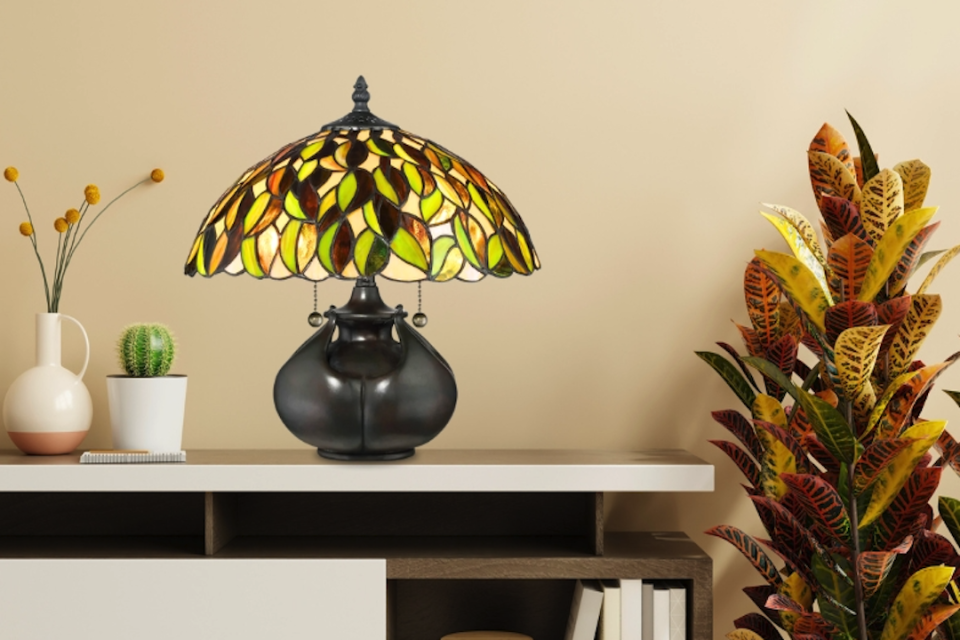
Enhance Your Space with Stained Glass Accent Table Lamps
Stained glass accent table lamps, while serving a functional purpose as light sources, also act as decorative elements, contributing significantly to a room’s aesthetic. These lamps, often characterized by their intricate designs crafted from colored glass pieces, can transform the ambiance of a space. Their origins are rooted in centuries of glass artistry, finding modern expression in these smaller, portable fixtures.
The creation of stained glass, whether for large architectural installations or smaller lamps Lovefanli ,is a meticulous process demanding skill and precision. Understanding this process illuminates the inherent value and artistry within each lamp.
Glass Selection and Cutting
The journey of a stained glass lamp begins with the careful selection of glass. Artisans choose from a wide array of colors, textures, and opacities. The type of glass impacts how light interacts with the finished piece. For instance, opalescent glass diffuses light, creating a softer glow, while transparent glass allows for more direct light transmission and vibrant color projection.
Once selected, the glass is cut into precise shapes according to a pre-designed pattern. This often involves scoring the glass with a cutting tool and then breaking it along the score line. Accuracy in this stage is paramount, as ill-fitting pieces compromise the structural integrity and visual appeal of the final product.
Foiling and Soldering Techniques
The Tiffany method, developed by Louis Comfort Tiffany, is a prevalent technique for creating stained glass lamps. In this method, each individual piece of cut glass is wrapped in copper foil tape, creating a border for soldering. The foil adheres to the glass edges, providing a surface for the solder to bond to.
After foiling, the pieces are assembled on a mold or a flat surface according to the design. Solder, typically a lead-tin alloy, is then applied to the copper-foiled edges, melting and flowing to create strong, permanent seams between the glass pieces. This soldering not only joins the glass but also forms the defining lines of the lamp’s design.
Structural Integrity and Base Construction
Beyond the glass shade, the base of a stained glass lamp is crucial for its stability and aesthetic balance. Bases are crafted from various materials, including bronze, iron, zinc alloy, and even wood. The design of the base often complements the style of the glass shade, creating a cohesive unit. The weight of the base is an important consideration, ensuring the lamp remains stable and resists tipping. Electrical components, including the socket, wiring, and switch, are integrated into the base, connecting to the light source within the shade.
Historical Context and Legacy
The roots of stained glass lamps intertwine with a rich history of glass craftsmanship, extending far beyond the late 19th century proliferation of table lamps.
Medieval Origins of Stained Glass
Stained glass artistry dates back to the Middle Ages, primarily associated with religious structures. Cathedrals across Europe, such as Chartres and Notre Dame, became epicenters for this art form. These large-scale installations served both decorative and didactic purposes, illustrating biblical narratives to a largely illiterate populace through vibrant depictions in glass. The techniques employed, though more rudimentary than modern methods, laid the groundwork for future innovations.
Louis Comfort Tiffany and the American Stained Glass Movement
The late 19th and early 20th centuries witnessed a resurgence of stained glass, particularly in America, largely spearheaded by Louis Comfort Tiffany. Tiffany’s innovations included the development of new glass types, such as opalescent and “favrile” glass, which exhibited iridescent qualities. He departed from the traditional method of painting on glass to achieve detail, instead relying on the precise cutting and arrangement of vibrantly colored glass to form images and patterns. Tiffany Studios created numerous iconic lamps, often depicting natural scenes like flowers, dragonflies, and geometric motifs, establishing a distinct style that continues to influence contemporary stained glass lamp design. His work shifted stained glass from a purely architectural element to a decorative art form accessible for domestic interiors.
Art Nouveau and Arts and Crafts Influences
The rise of stained glass lamps coincided with the Art Nouveau and Arts and Crafts movements. Art Nouveau, characterized by its organic, curvilinear lines and inspiration from nature, found a natural medium in stained glass. The flowing floral patterns and stylized insect motifs often seen in Tiffany lamps are direct reflections of this aesthetic.
The Arts and Crafts movement, emphasizing handcrafted quality, natural materials, and a rejection of industrial mass production, also embraced stained glass. Lamps from this period often displayed simpler geometric patterns and a more subdued color palette, reflecting the movement’s appreciation for honesty of materials and traditional craftsmanship. These influences collectively shaped the diverse array of stained glass lamp designs available today.
Aesthetic and Functional Considerations
When selecting a stained glass accent table lamp, several factors influence its suitability for a given space.
Light Diffusion and Ambiance
The primary function of any lamp is illumination, but stained glass lamps offer a unique quality of light. The colored glass fragments act as filters, transforming harsh white light into a softer, diffused glow. The specific colors and opacities of the glass determine the character of this light. A lamp with predominantly warm tones, such as reds, oranges, and yellows, will cast a comforting, inviting light, often described as “warm.” Conversely, a lamp with blues, greens, and purples might create a cooler, more serene atmosphere. Consider the existing color palette of your room and the desired mood when evaluating lamp colors. The interaction of light with the glass creates patterns and reflections, essentially painting the surrounding surfaces with hues.
Style Compatibility
The vast array of stained glass lamp designs means there is likely a style to complement various interior aesthetics. For a traditional or Victorian-inspired room, ornate Tiffany-style lamps with intricate floral or geometric patterns may be appropriate. In spaces with a more modern or minimalist design, lamps featuring geometric patterns or simpler color schemes can provide a focal point without overwhelming the decor. An Art Deco-inspired interior might benefit from a lamp with bold, angular lines and strong contrasts in color. The lamp should act as a harmonious component, not an outlier, in your room’s narrative.
Size and Placement
The physical dimensions of a stained glass lamp are critical for its integration into a space. A lamp that is too large can dominate a small table or room, while one that is too small might be lost amidst larger furniture. Consider the scale of the tabletop it will occupy – a nightstand, an end table, or a console. The lamp’s height should also be proportionate to its surroundings, allowing for comfortable illumination without glare.
Placement also impacts the lamp’s effectiveness. Placing a stained glass lamp near a wall can allow its colored light to project patterns onto the surface, creating an atmospheric effect. Positioning it in a corner can draw the eye and add depth to the room. When considering multiple lamps, maintain visual balance.
Care and Maintenance
Proper care ensures the longevity and continued beauty of a stained glass accent table lamp.
Cleaning Techniques
Regular dusting is the simplest and most effective way to maintain the lamp’s appearance. Use a soft, dry cloth to gently wipe down the glass shade and the lamp base. For more thorough cleaning, a slightly damp cloth can be used on the glass, ensuring that no moisture seeps into the seams or electrical components. Avoid abrasive cleaners, chemical sprays, or strong solvents, as these can damage the glass finish, the patination on the solder lines, or the base material. For stubborn residue, a mild soap solution applied sparingly and wiped clean immediately can be considered.
Protecting the Glass and Solder
The solder lines, often treated with a patina to darken them, are susceptible to wear. Avoid touching the solder lines excessively, as the oils from your skin can degrade the patina over time. If a lamp has a significant amount of dust or grime in the crevices of the soldered seams, a soft-bristled brush (like a clean paintbrush) can be used very gently. Inspect the lamp periodically for any signs of loose glass pieces or compromised solder joints; address these issues promptly to prevent further damage.
Electrical Component Safety
As with any electrical appliance, ensure the lamp’s wiring and plug are in good condition. Frayed cords or loose connections pose a safety risk. Use light bulbs of the recommended wattage to prevent overheating, which can damage the lamp’s internal components or even the glass itself due to excessive heat. If a bulb significantly changes the temperature of the shade to the touch, it may be too high a wattage. When changing bulbs, ensure the lamp is unplugged.
Acquiring Stained Glass Lamps
The market for stained glass lamps is diverse, encompassing both antique and newly manufactured pieces.
Antique and Vintage Markets
Antique stores, vintage shops, and specialized dealers are sources for authentic historical stained glass lamps. These pieces often carry a higher monetary value due to their age, craftsmanship, and provenance. When purchasing antique lamps, verify authenticity by examining the glass quality, soldering techniques, and the overall construction. Look for signatures or marks if attributed to a specific studio or artisan. Condition is a key factor; assess for cracks, chips, or significant repairs to the glass, as well as the integrity of the base and electrical components. A professional appraisal may be advisable for high-value items.
Contemporary Manufacturers and Artisans
Many contemporary manufacturers produce new stained glass lamps, offering a range of styles from faithful reproductions of classic designs to modern interpretations. These lamps can provide the aesthetic appeal of stained glass at varying price points. Artisans also create custom or limited-edition pieces, allowing for personalized designs and unique creations. When buying new, consider the quality of materials, the precision of the glass cutting and soldering, and the overall finish. Inspect for uniformity in the lines and the secureness of each glass piece.
Online Retailers and Auctions
The internet has expanded access to stained glass lamps, with numerous online retailers specializing in both new and antique pieces. Online auction sites also provide opportunities to acquire unique lamps. When buying online, carefully review product descriptions, image quality, and seller reputation. Photos should clearly depict the item from multiple angles, highlighting any imperfections. Understand return policies and shipping procedures, especially for fragile items. Due to the variability in color perception across different screens, consider requesting additional photos if colors are a critical factor for your decision.
Stained glass accent table lamps are more than mere light fixtures; they are a synthesis of art, craftsmanship, and illumination. Their colored light patterns, historical lineage, and potential as decorative focal points contribute to their enduring appeal. By understanding their construction, history, and care, one can make informed choices that truly enhance a living space.