
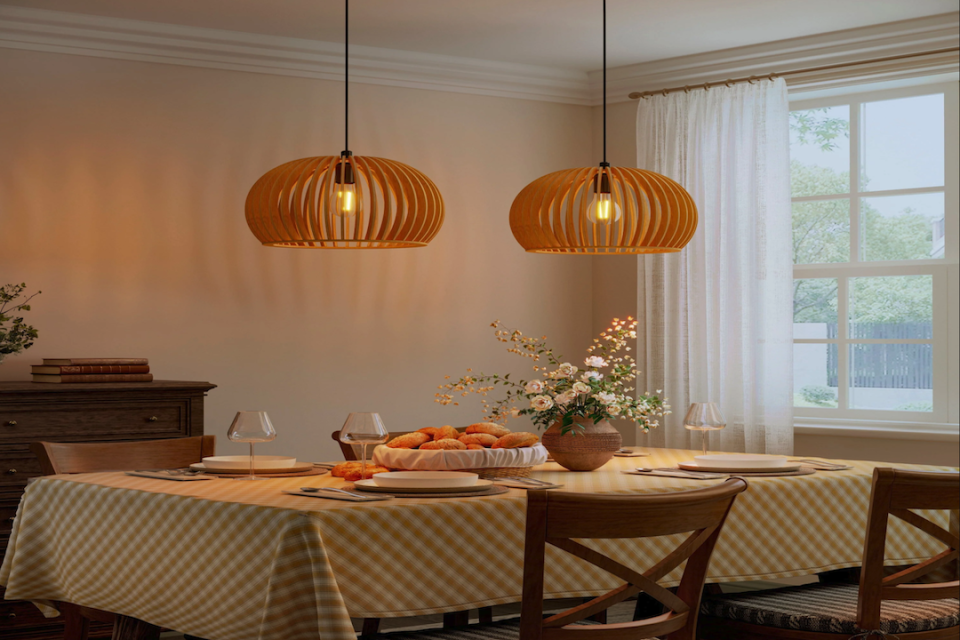
Thinking about adding a little something extra to your dining area? Wooden disc pendant lights are a fantastic way to bring a warm, inviting, and truly unique feel to your space. They’re not just lights; they’re a statement, blending natural beauty with practical illumination. If you’re looking to infuse some rustic charm and a cozy atmosphere into your dining room, these lights are definitely worth considering.
It’s easy to get caught up in the sheer variety of lighting options available, but Yeebu wooden disc pendant lights stand out for a few key reasons. They offer a distinct aesthetic that’s hard to replicate with other materials.
The Allure of Natural Materials
First off, there’s something inherently appealing about natural materials. Wood, in particular, brings an organic warmth and texture that instantly makes a room feel more grounded and comfortable. Unlike cold metals or stark plastics, wood has a living quality, a history etched into its grain.
- Warmth and Texture: The natural grain and finish of wood add a visual and tactile warmth that synthetic materials can’t match. This is especially true for dining areas, where coziness is often a primary goal.
- Unique Character: No two pieces of wood are exactly alike. This means your pendant light will have its own unique character, subtle variations in color, grain, and even small imperfections that tell a story. It’s a handmade touch in an often mass-produced world.
- Sustainability (Often): Depending on the sourcing, many wooden lights can be a more environmentally conscious choice. Reclaimed wood, for example, gives new life to old materials.
Blending Rustic with Modern
While “rustic” might conjure images of log cabins, wooden disc pendant lights are surprisingly versatile. They can bridge the gap between traditional and contemporary design seamlessly.
- Earthy Elegance: They offer an earthy elegance that can soften modern, minimalist spaces, adding a touch of nature without clashing with clean lines.
- Enhanced Ambiance: The way light diffuses through and around wood creates a much softer, more inviting glow compared to harsh, direct light. This is crucial for setting the right mood during meals.
- Visual Interest: The disc shape itself is a simple yet strong geometric form, which can create a compelling visual anchor above your dining table. When combined with the organic nature of wood, it becomes a piece of art.
Choosing the Right Wood for Your Disc Pendant
The type of wood you choose will significantly impact the look and feel of your pendant light, and by extension, your dining room. Consider not only the aesthetic but also the practicalities.
Light vs. Dark Woods
This is often the first decision point and can dramatically alter the overall impression.
- Light Woods (e.g., Maple, Ash, Birch):
- Airy & Modern: Lighter woods tend to feel more modern and can help brighten a space, making it feel more open and airy. They pair well with Scandinavian or minimalist aesthetics.
- Subtle Grain: The grain patterns are often less pronounced, contributing to a smoother, more uniform look.
- Examples: White ash offers a beautiful light pale tone with a subtle grain, while maple is clean and bright. Birch can offer a slightly more rustic, almost bleached look.
- Dark Woods (e.g., Walnut, Oak, Mahogany):
- Rich & Traditional: Darker woods evoke a sense of richness, tradition, and warmth. They can add gravitas to a dining space and pair well with more classic or industrial-inspired decor.
- Pronounced Grain: The grain is often much more visible and dramatic, adding depth and character.
- Examples: Walnut is prized for its deep, chocolatey tones and distinct grain. Dark oak can range from a medium brown to a deep, dramatic hue, often with beautiful figuring. Mahogany is known for its reddish-brown color and fine, straight grain.
Reclaimed and Live Edge Options
For an extra touch of character and sustainability, reclaimed or live edge options are fantastic.
- Reclaimed Wood:
- History & Soul: Reclaimed wood comes with a story. It might be old barn wood, salvaged decking, or timber from demolished buildings. This history imprints unique marks, nail holes, and variations that can’t be replicated.
- Eco-Friendly: Gives new life to existing materials, reducing demand for new logging.
- Unique Imperfections: Expect and embrace knots, cracks, and color variations. These are features, not flaws.
- Live Edge Wood:
- Organic Shapes: Instead of precisely cut edges, live edge pieces retain the natural, irregular contours of the tree bark. This brings an immediate sense of nature and raw beauty.
- Statement Piece: A live edge disc is inherently a statement piece, drawing the eye and becoming a focal point.
- Artistic Appeal: Often used in more contemporary rustic designs, where the emphasis is on celebrating natural forms.
Finishes and Treatments
How the wood is finished will also play a crucial role in its appearance and longevity.
- Natural Oil/Wax:
- Matte Finish: These finishes soak into the wood rather than forming a layer on top, resulting in a more natural, matte look and feel.
- Enhances Grain: They tend to enhance the natural grain and color of the wood beautifully.
- Maintenance: May require reapplication over time, but easy to repair localized scratches.
- Varnish/Lacquer:
- Glossy to Satin: Creates a protective layer on the surface, offering a range from high gloss to satin or even matte finishes.
- Durable: Generally more durable against spills and scratches, easier to wipe clean.
- Can Obscure: Can sometimes slightly obscure the natural feel of the wood if too thick or overly glossy.
Design Considerations and Placement
Once you’ve narrowed down your wood choice, think about how the light will integrate into your space. It’s not just about turning on a switch; it’s about creating an atmosphere.
Size and Scale
Getting the size right is probably the most critical factor for a balanced look.
- Table Proportions: The light should generally be about one-third to two-thirds the width of your dining table. If it’s too small, it looks lost; too big, it overwhelms.
- Room Scale: Consider the overall size of your dining room. A very large room might accommodate a larger or multiple pendant arrangement, while a smaller room requires a more modest size.
- Visual Weight: Wooden discs have a certain visual weight. A very thick disc will command more attention than a thin one, even if they have the same diameter.
Hanging Height
This is where practicality meets aesthetics. Too high, and it won’t provide adequate light for the table. Too low, and it becomes an obstruction.
- Standard Rule of Thumb: Generally, the bottom of the pendant light should be about 30-36 inches (76-92 cm) above the tabletop.
- Line of Sight: Ensure it doesn’t obstruct the view across the table or create awkward shadows for people seated.
- Personal Preference: A slightly lower hang can create a more intimate, cozy feel, especially in smaller settings. Always test it out before final installation.
Single vs. Multiple Pendants
Depending on your table size and desired look, you might opt for one statement piece or a cluster.
- Single Large Disc:
- Focal Point: A single, substantial wooden disc can be a strong, captivating focal point.
- Simplicity: Offers a clean, uncluttered look.
- Best for Square/Circular Tables: Often works best centered over these table shapes.
- Multiple Smaller Discs:
- Linear Arrangement: For long rectangular tables, several smaller disc pendants in a row can provide more even illumination and a dynamic visual.
- Varied Heights: Hanging them at slightly different heights can add visual interest and a sophisticated touch.
- Cluster Effect: A cluster of different-sized wooden discs can create an artistic, modern rustic display, particularly striking in a vaulted ceiling area.
Lighting Functionality and Ambiance
Beyond the aesthetics, how well the light illuminates your dining area is paramount. You want functionality without sacrificing the desired ambiance.
Type of Illumination
Think about how the light will spread and diffuse.
- Direct Downlight: Many disc pendants offer direct downlighting, focusing illumination squarely onto the table. This is great for task lighting during meals.
- Ambient Glow: Some designs might incorporate upward-facing elements or gaps around the disc to allow for a softer, more ambient glow to spread around the room.
- Diffused Light: If the disc itself acts as a diffuser (e.g., carved wood that allows light to filter through), it will create soft, interesting patterns and a very warm glow.
Bulb Choices
The light bulb you choose is just as important as the fixture itself.
- LED Bulbs:
- Energy Efficiency: Highly energy-efficient, saving on electricity bills.
- Longevity: Last significantly longer than traditional incandescent bulbs.
- Color Temperature: Available in a wide range of color temperatures (Kelvin). Aim for “warm white” (2700K-3000K) for a cozy dining atmosphere. “Soft white” (3000K-3500K) is also acceptable, but avoid anything higher for dining.
- Dimmable Options:
- Versatile Ambiance: A dimmer switch is almost a necessity for a dining room. It allows you to adjust the light intensity from bright for homework or crafts to soft and intimate for dinner parties.
- Essential for Mood: Creates the perfect mood for any occasion, from a bustling family breakfast to a romantic evening meal. Ensure both your bulb and your fixture are dimmable.
Directional vs. Non-Directional
Consider whether you want the light to be focused or generally spread.
- Downward-Facing Socket: Most disc pendants will have the bulb socket facing downwards, directing light onto the tabletop. This is ideal for dining.
- Hidden Socket: Some designs might cleverly hide the bulb, diffusing light in a more general, softer way without a direct harsh beam. This can be great for overall room ambiance rather than primary task lighting.
Integrating with Your Dining Room Decor
A wooden disc pendant light isn’t an isolated element; it should complement and enhance your existing decor.
Rustic and Farmhouse Styles
This is where wooden disc pendants truly shine. They seamlessly fit into these aesthetics.
- Natural Textures: Pair them with other natural textures like linen, jute, wool rugs, or exposed brick.
- Warm Color Palettes: Complement the wood tones with warm, earthy color palettes – creams, greens, muted blues, and terracotta.
- Vintage or Distressed Elements: Integrate with distressed furniture, vintage finds, or cast-iron elements to reinforce the rustic look.
- Open Shelving: If you have open shelving, ensure the items displayed also align with the natural, rustic vibe.
Modern and Minimalist Spaces
Yes, these lights can work here too, providing a welcome contrast.
- Softening Effect: A wooden disc pendant can soften the sharp edges and starkness of a minimalist room, adding warmth and organic texture.
- Contrast Material: Use it as a contrasting material against polished concrete, sleek metals, or smooth, monochrome surfaces.
- Simple Form, Rich Material: The simple geometric disc form often suits modern aesthetics, while the wood itself provides the richness.
- Pared-Down Furniture: Ensure surrounding furniture is also clean-lined and uncluttered to let the pendant be the focal point.
Bohemian and Eclectic Mixes
For those who love to mix and match, a wooden disc pendant can be a grounding element.
- Global Influences: Its natural material can blend beautifully with global textiles, patterned rugs, and layered decor.
- Handcrafted Feel: Fits well with other handcrafted items, ceramics, and artisanal pieces.
- Layered Lighting: Can be part of a layered lighting scheme where different sources (floor lamps, table lamps, candles) create a rich and varied ambiance.
Installation and Maintenance Tips
A few practical points to ensure your wooden disc pendant light serves you well for years to come.
Professional Installation Recommended
While some DIY enthusiasts might tackle light fixture installation, it’s often best left to the professionals.
- Safety First: Electrical work carries risks. A qualified electrician ensures everything is wired correctly and safely.
- Weight Considerations: Wooden pendants, especially larger ones, can be heavy. An electrician will ensure the mounting hardware and ceiling box can support the weight.
- Dimmer Compatibility: They can also recommend and install the correct dimmer switch compatible with your fixture and bulbs.
Cleaning and Care for Wood
Wood is a natural material and benefits from proper care.
- Dusting: Regular dusting with a soft, dry cloth or a duster will keep it looking its best.
- Gentle Cleaning: For occasional deeper cleaning, use a very lightly dampened cloth, then immediately wipe dry to prevent water damage.
- Avoid Harsh Chemicals: Never use abrasive cleaners, strong chemical sprays, or furniture polish that isn’t specifically designed for the wood’s finish. These can strip finishes or leave residue.
- Humidity Control: Wood can be sensitive to extreme fluctuations in humidity. Try to maintain a relatively stable indoor environment to prevent cracking or warping, though this is less of an issue for smaller, well-sealed pieces.
Bulb Replacement
- Check Wattage: Always check the maximum wattage specified for your fixture and never exceed it.
- Handle with Care: Allow bulbs to cool before replacing them. For LED bulbs, they typically last for many years, so this won’t be a frequent task.
- Match New Bulbs: When replacing, try to match the color temperature (Kelvin) of old bulbs to maintain a consistent look.
Wooden disc pendant lights offer a blend of natural appeal, versatile design, and practical warmth that can truly elevate a dining space. They move beyond mere illumination to become a central decorative element, providing a cozy glow and a unique statement that guests will surely notice and admire. If you’re aiming for that perfect balance of rustic charm and functional elegance, these lights are definitely worth exploring for your dining room.