
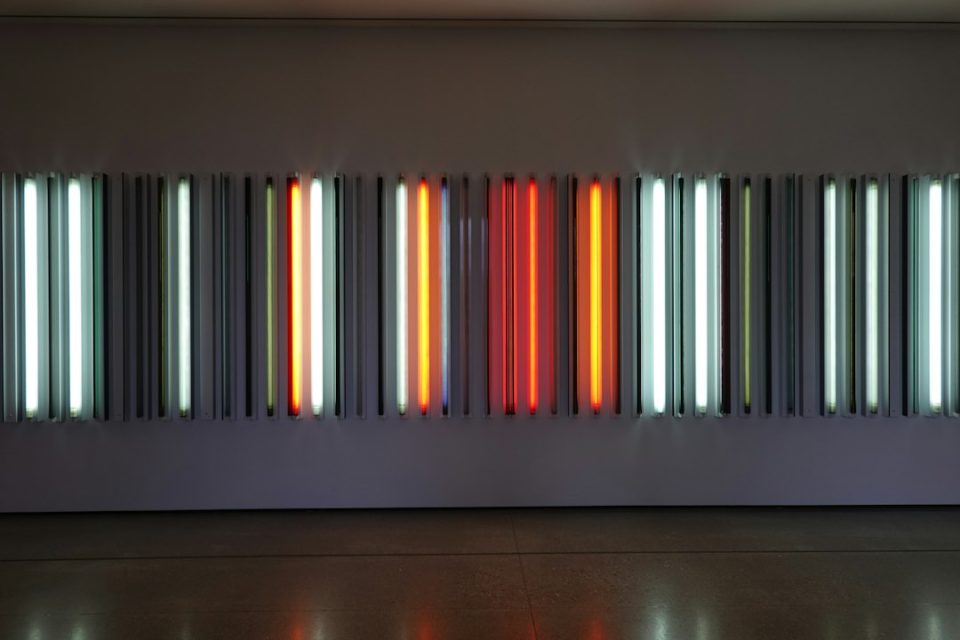
Choosing the right color temperature for your linear light fixtures can make a big difference in how a space feels and functions. It’s not just about brightness; it’s about the quality of light and the atmosphere it creates. In essence, color temperature, measured in Kelvin (K), describes the warmth or coolness of the white light emitted by a fixture. A lower Kelvin value (e.g., 2700K) indicates a warmer, more yellowish light, while a higher Kelvin value (e.g., 5000K or 6500K) signifies a cooler, bluer-white light. Understanding this spectrum is key to making informed lighting decisions that truly enhance your environment.
Understanding Color Temperature (CCT)
Let’s dive a bit deeper into what color temperature actually means. It’s often referred to as Correlated Color Temperature (CCT). Imagine a piece of metal being heated; as it gets hotter, it first glows red, then orange, yellow, white, and eventually blue. The Kelvin scale mimics this phenomenon, associating a numerical value with the color of light produced at a particular temperature. It’s important to remember that ‘warm’ and ‘cool’ in the context of light color are opposite to how we perceive actual temperature. A ‘warm’ light (like 2700K) is lower on the Kelvin scale, while a ‘cool’ light (like 5000K) is higher. This can be a bit counter-intuitive at first, but once you get the hang of it, it becomes much clearer.
The Kelvin Scale Explained
The Kelvin scale starts at absolute zero, but for lighting purposes, we’re usually looking at a range from about 1800K up to around 6500K or even higher. Here’s a general breakdown of what these numbers typically represent:
- 1800K-2200K (Extra Warm White/Candlelight): This is an extremely warm, amber glow, often used for decorative purposes to mimic candlelight or firelight. It’s very low intensity and creates a highly intimate, cozy atmosphere. Think outdoor string lights or very low ambient lighting in a restaurant.
- 2700K-3000K (Warm White): This is a very common and popular choice, similar to the warm glow of traditional incandescent bulbs. It has a slightly yellowish hue and creates a comfortable, inviting, and relaxing atmosphere. It’s excellent for living rooms, bedrooms, and dining areas where comfort and warmth are prioritized.
- 3500K-4000K (Neutral White/Cool White): This range is a balance between warm and cool. It’s less yellow than 3000K but not as stark as 5000K. It offers a cleaner, more modern look and is often used in offices, kitchens, and retail spaces where a brighter, more natural appearance is desired without being overly sterile. It helps with visual clarity without feeling cold.
- 5000K-5500K (Daylight White): This temperature mimics natural daylight around noon. It’s a very crisp, bright white with a slight blue tint. It promotes alertness and is ideal for task lighting, workshops, garages, showrooms, and spaces where high visibility and accurate color rendering are crucial. It can feel quite stark in residential settings if not used carefully.
- 6000K-6500K (Cool Daylight): Even cooler and bluer than 5000K, this is often used in areas requiring maximum visibility, such as laboratories, hospitals, or specialized industrial applications. It can be quite harsh and is generally not recommended for general indoor residential or commercial use due to its potential to create an overly sterile or artificial environment.
Why Color Temperature Matters for Linear Lighting
Linear lighting, whether it’s LED strips, integrated fixtures, or suspended profiles, is often used to provide broad, even illumination. Because of this, the chosen color temperature can have a significant impact on the overall feel of a large area or a specific task zone. For instance, using 2700K linear lighting along a hallway will create a much different experience than 5000K lighting. The former will feel welcoming and soft, while the latter will feel bright and functional, potentially even a bit institutional. When linear fixtures are used as architectural elements, the CCT also contributes heavily to the aesthetic. Imagine a sleek, modern office space – 4000K or 5000K linear lights might reinforce that aesthetic, whereas 2700K would likely clash.
Matching CCT to Your Space’s Function
The primary consideration when selecting a color temperature should always be the intended function of the space. Different activities benefit from different light qualities. Trying to relax under a bright, cool light can be challenging, just as trying to perform intricate tasks under a very warm, dim light can strain your eyes.
Residential Areas: Comfort and Ambiance
In homes, the goal is often to create inviting and comfortable environments.
- Living Rooms and Bedrooms: These are prime candidates for 2700K-3000K (Warm White). This warmer light promotes relaxation, warmth, and intimacy. It’s excellent for unwinding, reading before bed, or socializing. Linear lighting used in coves, under furniture, or as accent strips can greatly enhance the cozy feel. Imagine a linear LED strip tucked away in a ceiling cove, casting a soft, warm glow that bounces off the ceiling, providing a gentle ambient light without harshness.
- Dining Rooms: Similar to living rooms, 2700K-3000K is usually preferred here. It makes food look more appealing and creates a pleasant atmosphere for meals and conversation. Linear pendant lights above a dining table are a common application.
- Kitchens: This is where things get a bit more nuanced. While you want some warmth, you also need good visibility for food preparation. 3000K-4000K (Warm to Neutral White) is often a good compromise. Under-cabinet linear lighting at 3500K, for example, provides clear task illumination without making the kitchen feel sterile. You might even consider using different CCTs in the kitchen: 3000K for general ambient light and 4000K for task lighting over work surfaces, if your fixtures allow.
- Bathrooms: Here, 3000K-4000K is generally recommended. For vanity lighting, a neutral white (3500K-4000K) provides accurate color rendering, which is important for grooming and makeup application. A warmer light can distort skin tones, while overly cool light can be unflattering. Linear lights around mirrors or integrated into vanity cabinets are effective.
Commercial Settings: Productivity and Presentation
In commercial environments, lighting plays a crucial role in employee productivity, customer experience, and product presentation.
- Offices and Workspaces: 3500K-4000K (Neutral White) is typically the go-to. This range offers a bright, crisp light that enhances focus and reduces eye strain without being overly cool or clinical. It supports sustained attention and visual clarity. Linear lighting in suspended or recessed fixtures is prevalent in modern office designs. If precise detail work is involved, some areas might benefit from 5000K.
- Retail Stores and Showrooms: The ideal CCT here depends heavily on the products being displayed and the desired brand image.
- Fashion and Apparel: 3500K-4000K can provide good color rendering, making clothing colors appear true to life. Some higher-end boutiques might lean towards 3000K for a more luxurious, inviting feel.
- Jewelry and Electronics: 4000K-5000K (Neutral to Daylight White) can make these items sparkle and highlight details, enhancing their perceived value.
- General Merchandise: A consistent 3500K-4000K often works well for general illumination, ensuring products are clearly visible and the store feels welcoming yet efficient. Linear track lighting or suspended linear fixtures are common.
- Educational Institutions: 4000K (Neutral White) is widely used in classrooms and libraries. It promotes alertness and concentration, which are vital for learning. It provides excellent visibility for reading and writing without being harsh.
- Healthcare Facilities: 4000K-5000K (Neutral to Daylight White) is common in hospitals and clinics. It ensures high visibility for medical tasks, supports accurate diagnoses, and promotes a clean, hygienic perception. However, patient rooms might benefit from warmer CCTs or tunable white lighting to support circadian rhythms. Linear fixtures often provide general illumination in hallways and examination rooms.
Considering Other Factors Beyond Function
While function is paramount, other elements also influence the best CCT choice. These can subtly, or not so subtly, alter the perception of your space.
Interior Design and Materials
The existing color palette and materials in a room will react differently to various color temperatures.
- Warm Tones (Reds, Oranges, Browns, Wood Finishes): These colors are often enhanced by warm white (2700K-3000K) light, which brings out their richness and depth. A cooler light might make them appear dull or shift their hue. If your space features a lot of natural wood, brick, or warm fabric textures, a warmer linear light will make these elements glow.
- Cool Tones (Blues, Greens, Grays, Whites): These colors tend to look better under neutral to cool white (3500K-5000K) light. A warm light can make cool colors appear dingy or slightly yellowed. Modern, minimalist spaces often benefit from cooler CCTs to emphasize clean lines and a pristine aesthetic. Think of a white kitchen with stainless steel appliances; 4000K linear under-cabinet lighting would make it feel bright and clean.
- Metallics and Glass: Reflective surfaces like polished chrome, stainless steel, or glass can look striking under cooler lights (4000K-5000K), which enhance their sheen and sharpness. Warmer lights might soften their appearance.
Natural Light Exposure
The amount and quality of natural light entering a space can also inform your CCT choice.
- Rooms with Abundant Natural Light: If a room receives a lot of daylight, you might opt for a CCT that complements it. During the day, 4000K-5000K might blend seamlessly. However, if the artificial light is primarily for evening use, warmer CCTs (2700K-3000K) can provide a welcome contrast, making the space feel cozier as the sun sets.
- Rooms with Limited Natural Light: In spaces that are naturally dim or have no windows, artificial lighting becomes the primary source of illumination. Here, you have more freedom to set the desired mood. To combat a potentially gloomy feel, a 3500K-4000K linear light can provide a refreshing lift. If you want to create a warm, enveloping cave-like atmosphere, then 2700K would work beautifully.
Circadian Rhythms and Well-being
Emerging research highlights the impact of light color temperature on human biology and well-being, particularly in commercial and educational settings.
- Morning/Daytime: Exposure to cooler, brighter light (e.g., 4000K-5000K) during the day can help boost alertness, concentration, and productivity by suppressing melatonin production. This is often leveraged in offices and schools using linear lighting.
- Evening/Nighttime: As evening approaches, exposure to warmer, dimmer light (e.g., 2700K-3000K) is beneficial. It allows melatonin levels to rise naturally, preparing the body for sleep. Overly cool or bright light late in the day can disrupt sleep patterns. This is why tunable white linear lighting systems are gaining popularity, allowing the CCT to shift throughout the day.
The Versatility of Tunable White Linear Lighting
Sometimes, one fixed color temperature isn’t enough, especially in multi-functional spaces or environments where the mood needs to change throughout the day. This is where tunable white (TW) linear lighting truly shines.
What is Tunable White Lighting?
Tunable white lighting refers to fixtures that can adjust their color temperature, typically across a broad range like 2700K to 6500K. Instead of being fixed at a single CCT, these fixtures have multiple sets of LEDs (usually warm white and cool white) that can be individually dimmed or brightened to mix and create the desired hue. This is usually controlled via a dimmer switch, a wall panel, or a smart lighting system.
Benefits of Tunable White Linear Fixtures
The ability to dynamically change the CCT offers several advantages:
- Flexibility for Multi-purpose Spaces: Imagine a conference room that needs bright, cool light (4000K) for presentations during the day, but a warmer, softer light (3000K) for an evening social event. Tunable white linear lights can adapt to these different needs effortlessly. In a home, a kitchen might benefit from 4000K for cooking, but 2700K for an intimate dinner.
- Supporting Circadian Rhythms: As mentioned earlier, shifting CCTs throughout the day can promote better health and well-being. Tunable white linear lighting can be programmed to mimic natural daylight cycles, delivering cooler, brighter light in the morning and afternoon, and gradually transitioning to warmer, dimmer light in the evening. This is particularly beneficial in offices, healthcare settings, and even homes where natural light is scarce.
- Adapting to Seasonal Changes: The perception of light can change with the seasons. A warmer CCT might feel more comforting during dark winter months, while a cooler CCT might be preferred during bright summer days. Tunable white allows for these subtle adjustments.
- Personalization and Preference: Different people have different preferences for light. Tunable white empowers users to choose the CCT that feels most comfortable and appropriate for them at any given moment, making spaces more inviting and user-centric.
Applications of Tunable White Linear Lighting
- Office Environments: Programmed to follow the natural daylight cycle, improving employee focus and well-being.
- Healthcare: Supporting patient recovery and comfort by aligning lighting with circadian rhythms, especially in long-term care facilities.
- Hospitality: Creating varied ambiances in lobbies, restaurants, and hotel rooms, from energetic daytime to relaxing evening settings.
- Residential Homes: Offering versatile lighting in living areas, kitchens, and bedrooms, adapting from task-oriented brightness to cozy relaxation.
- Retail: Adjusting lighting to highlight different products at various times of day or to match promotional themes.
While tunable white fixtures often come with a higher initial cost, their flexibility and long-term benefits in comfort, productivity, and energy savings can make them a worthwhile investment for many applications.
Practical Tips for Choosing and Installing Linear Lights
Making the final decision involves pulling together all these considerations into a practical plan. It’s not just about picking a number; it’s about how that number interacts with everything else in your space.
Start with the Dominant Function
Always begin by asking: “What is the primary activity that will happen in this space?” This should be your foundational decision for CCT.
- Relaxing? Go warm (2700K-3000K).
- Working/Task-oriented? Go neutral to cool (3500K-4000K, possibly 5000K).
- Detail work/High visibility needed? Go cool (5000K-6500K).
Consider Layering Light
Don’t rely on a single CCT for an entire room, especially if it’s multi-functional. Modern lighting design often involves layers of light (ambient, task, accent).
- You might use a warmer CCT (e.g., 3000K) for general ambient linear lighting in coves or as indirect uplighting.
- Then, use a slightly cooler CCT (e.g., 4000K) for linear task lighting, like under-cabinet lights in a kitchen or desk lighting in an office.
- Accent lighting can be used to highlight features, and its CCT can either match the ambient or be slightly different to create contrast.
Be Consistent or Deliberately Varied
Once you’ve decided on the CCT for a specific area, try to stick with it for all the general illumination in that area. Mixing drastically different CCTs in the same visual field (e.g., 2700K overhead and 5000K at eye level) can create a jarring and uncomfortable experience. If you are deliberately varying CCTs, ensure there’s a clear functional or aesthetic reason, like the layered approach described above.
Look at CRI (Color Rendering Index) Too
While CCT defines the warmth or coolness of light, CRI (Color Rendering Index) measures how accurately a light source reveals the true colors of objects compared to natural light. A high CRI (90+) is crucial, especially when CCT is important. For example, a 4000K light with a low CRI might make colors look washed out, defeating the purpose of choosing a neutral white for clarity. Always aim for linear fixtures with a CRI of 80+ for general applications, and 90+ for retail, art display, or any area where color accuracy is critical.
Test Before Committing (If Possible)
Lighting can look different in person than in pictures or even in a showroom. If you’re undertaking a large project, try to get samples of linear lights in different CCTs and test them in your actual space at different times of day. This can be invaluable for confirming your choice. Many manufacturers offer sample lengths of LED strips or smaller linear fixtures for this purpose.
Installation Considerations for Linear Lighting
- Placement: Think about where the linear light will be installed. If it’s visible, the aesthetic of the fixture itself matters. If it’s hidden in a cove or under a cabinet, the quality of light it casts is paramount.
- Beam Angle: Linear lights often come with various diffusers that affect the beam angle and the perceived softness of the light. A wider beam angle provides more even, diffuse light, while a narrower angle can create more focused illumination.
- Dimming Compatibility: Ensure that any linear light you choose is compatible with your dimming system if you plan to dim them. Not all LEDs dim smoothly across their entire range, and some require specific dimmer types (e.g., phase-cut, 0-10V, DALI). This becomes even more critical with tunable white systems.
- Power and Control: For longer linear runs, especially with LED strips, voltage drop can be an issue, requiring power injection from both ends or multiple power supplies. Also, consider the control system – whether it’s a simple wall switch, a smart home integration, or a programmable system for tunable white.
By carefully considering the function of your space, the existing decor, the impact on well-being, and practical installation details, you can confidently select the perfect color temperature for your linear lighting, creating environments that are both beautiful and highly functional.