
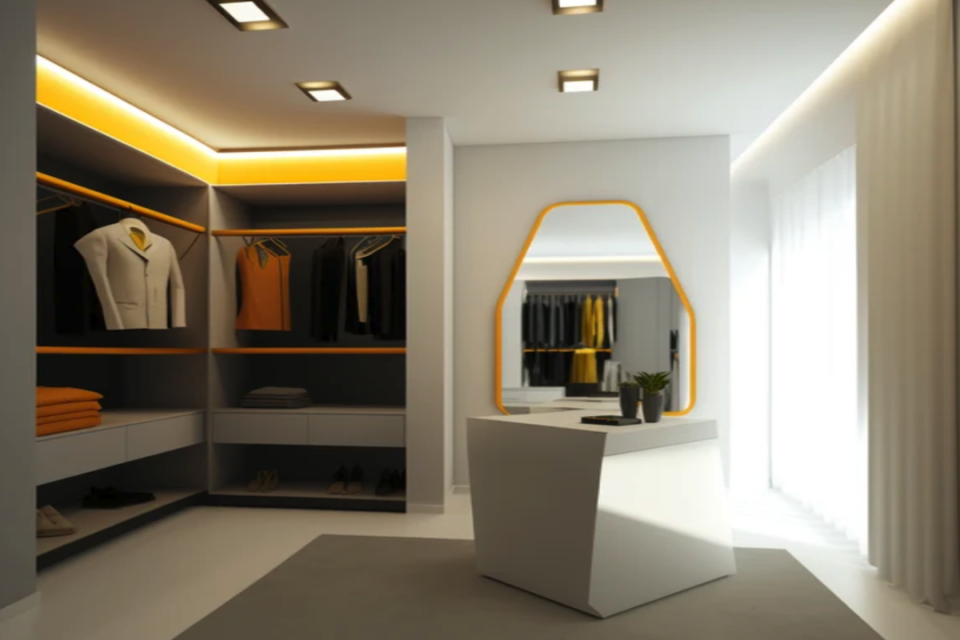
So, you’re looking to spruce up your boutique and make those rails and fitting rooms truly shine? Smart move! Good lighting in these areas isn’t just about seeing the clothes; it’s about creating an experience that makes customers feel good, see the true quality of your merchandise, and ultimately, want to buy. Let’s dive into how you can get this right, without breaking the bank or turning your shop into a sterile interrogation room.
The Foundation: Why Lighting Matters So Much in Boutiques
Think about it: a customer walks into your boutique. What’s the first thing that hits them? The overall ambiance, right? And a massive part of that is the 32clothing light. For rails, it’s about showcasing the texture, color, and drape of your garments. For fitting rooms, it’s about making your customer look and feel their absolute best. This isn’t about vanity; it’s about presenting your products in the most flattering and accurate way possible.
Bad lighting can make colors look dull, fabrics appear cheap, and even hide minor imperfections. Conversely, the right lighting can elevate even a simple t-shirt into something desirable. It’s a silent salesperson, working 24/7 to highlight your offerings and create a welcoming, sophisticated atmosphere.
Illumination Strategies for Your Retail Rails
This is where the magic really starts. Your clothing rails are the heart of your display, and the lighting needs to do them justice. Forget about just one big spotlight in the ceiling; we’re talking about strategic illumination.
Accent Lighting: Making Your Garments Pop
This is your go-to for drawing attention to specific items or sections. Think of it as a spotlight for your star performers.
Spotlight Systems: The Versatile Choice
Adjustable spotlights are incredibly flexible. You can direct them precisely where you want them, highlighting a particular rack of new arrivals or a special promotion. Look for systems that allow you to change the beam angle, so you can go from a tight spot on a single mannequin to a wider wash over a whole section of rails.
- Color Rendering Index (CRI): This is crucial. A high CRI (90+) means the light will accurately represent the true colors of your clothing. Low CRI light can make reds look muddy and blues look desaturated, which is a disaster for fashion. Always check the CRI of any bulb you’re considering.
- Color Temperature: For fashion retail, a color temperature of around 3000K (warm white) to 4000K (neutral white) is generally best. 3000K can create a cozy, inviting feel, while 4000K offers a cleaner, more modern look. Avoid anything too yellow (like older incandescent bulbs) or too blue (which can feel harsh).
Track Lighting: Adaptability is Key
Track lighting offers a fantastic blend of flexibility and aesthetics. You can add, remove, or reposition lights along the track as your displays change, which is a huge advantage in a dynamic retail environment.
- Ease of Adjustment: Need to highlight a new collection that’s just arrived? Simply slide the track heads to the new location. It’s that simple.
- Aesthetic Integration: Tracks can be quite stylish themselves, often available in black, white, or brushed metal finishes that can complement your store’s decor.
Ambient Lighting: The Overall Glow
While accent lighting highlights, ambient lighting sets the mood and ensures the entire space feels comfortable and well-lit.
Diffused Ceiling Lights: The Gentle Wash
Think of these as the soft backdrop to your accent lighting. They provide a general level of illumination without creating harsh shadows.
- Recessed Downlights: When used with diffusers, recessed downlights can provide a pleasant, even light. Ensure they are spaced correctly to avoid dark spots.
- Pendant Lights: Stylish pendant lights can add a decorative element while also contributing to ambient light. They can be used in conjunction with spotlights to create a layered lighting effect.
- Layering is Everything: The most effective retail lighting uses a combination of ambient and accent lighting. Ambient light provides the general illumination, while accent lights draw attention to key products. This creates visual interest and guides the customer’s eye.
The Sanctuary: Illuminating Your Fitting Rooms
This is where the final decision is made. Your fitting rooms are your most intimate selling spaces. Getting the lighting right here can make or break a sale.
The Dilemma: Facing the Customer
The biggest challenge in fitting room lighting is ensuring the customer looks their absolute best. This means avoiding harsh shadows on the face and making skin tones appear natural and healthy.
Frontal Lighting: The Key to Flattering Illumination
The most effective way to achieve this is with lighting that is placed in front of the customer, rather than directly above or to the sides.
- Wall-Mounted Fixtures: Sconces or vanity-style lights mounted on the side walls, at roughly face height, are often the best solution. These cast a softer, more forgiving light.
- Mirrored Lighting: Some sophisticated fitting room designs incorporate lighting integrated into the mirror frame or on either side of the mirror. This creates a halo effect that is incredibly flattering.
Avoiding Overhead Shadows
Overhead lighting, especially direct downlights, can cast unflattering shadows under the eyes, nose, and chin. If you must use overhead lighting, ensure it’s diffused and supplemented with good frontal lighting.
- Consider the Angle: The angle of the light is critical. Light coming from too high up will create harsh shadows. Light from the front, at eye level, will minimize these.
- Soft, Diffused Sources: If you’re using overhead fixtures, opt for those with frosted glass or diffusers to soften the light output.
Color Accuracy and Mood
Beyond just looking good, the light in the fitting room needs to accurately represent the garment’s color and create a positive mood.
High CRI is Non-Negotiable
Just like with your rails, a high CRI (90+) is absolutely essential in fitting rooms. A customer needs to see the true color of the garment in the controlled environment of the fitting room, which should ideally match the lighting in your store’s main area.
- Consistency is Key: Ensure the color temperature in your fitting rooms is consistent with the rest of your store. A drastic shift can be disorienting.
- True Fabric Representation: Imagine a customer buying a dress based on how it looks in a very warm, yellow-toned fitting room, only to realize the color is quite different under natural light. It’s a recipe for returns.
Creating a Sense of Luxury and Comfort
The lighting should contribute to a feeling of being pampered and confident.
- Warm or Neutral Tones: A slightly warmer color temperature (around 3000K) can create a cozy, luxurious feel, while a neutral white (4000K) can feel clean and modern. The choice often depends on your boutique’s overall aesthetic.
- Dimmable Options: If possible, consider dimmable lights. This allows you to adjust the brightness to suit different times of day or to create a more intimate mood for a high-end consultation.
Types of Fixtures and Their Role
Choosing the right fixtures is about both function and form. They need to perform their lighting duties while also looking good and fitting your boutique’s brand.
Spotlights and Track Heads: Precision and Power
These are the workhorses for accent lighting.
LED Spotlights: Energy Efficient and Long-Lasting
LEDs are the modern standard. They’re energy-efficient, have a very long lifespan, and come in a vast range of color temperatures and beam angles.
- Adjustability: Look for heads that can pivot and swivel, allowing you to direct the light precisely.
- Types of Bulbs: GU10, MR16, and PAR30 are common spotlight bulb types. Ensure they fit your chosen track system.
Track Systems: The Flexible Framework
Tracks come in various lengths and configurations.
- Single Circuit vs. Dual Circuit: Single circuit allows all lights on the track to be turned on or off together. Dual circuit lets you control two groups of lights independently, offering more nuanced control.
- Surface Mounted vs. Recessed: Surface mounted tracks are installed directly onto the ceiling, while recessed tracks are installed flush with the ceiling for a cleaner look.
Wall Sconces and Vanity Lights: Fitting Room Focus
These are your primary tools for flattering fitting room illumination.
Modern Sconces: Sleek and Subtle
Many contemporary sconces provide diffused light that’s perfect for general room illumination or as a softer accent.
- Up/Down Lighting: Some sconces cast light both upwards and downwards, creating a more dynamic and layered effect on the wall.
- Material and Finish: Consider materials like brushed nickel, matte black, or polished chrome to match your store’s style.
Vanity Lights: The Classic Choice
Often seen in bathrooms, vanity lights (typically a bar of lights above or on the sides of a mirror) can be adapted for fitting rooms.
- Integrated LEDs: Many modern vanity fixtures have integrated LED strips, offering a clean, minimalist look.
- Placement is Crucial: Ensure the lights are positioned to avoid glare on the mirror and to cast a flattering light on the person using the room.
Pendants and Decorative Fixtures: Adding Style
These add personality and can contribute to ambient lighting.
Statement Pendants: The Focal Point
A beautifully designed pendant light can be a real talking point and can enhance the overall aesthetic of your boutique.
- Material and Design: From industrial metal to delicate glass, choose a pendant that reflects your brand.
- Beam Angle and Diffusion: Consider how the light is diffused. Some pendants cast light downwards, acting as task lighting, while others offer a more ambient glow.
Ambient Fixtures: Gentle Illumination
These are often simple, elegant fixtures that provide a soft, overall light.
- Recessed Diffusers: For a minimalist look, recessed fixtures with frosted diffusers can provide a pleasant ambient wash.
- Layering with Other Fixtures: Remember that these are often best used in conjunction with more focused lighting.
Practical Considerations: Installation and Energy Efficiency
Beyond the aesthetics, there are practical aspects to consider.
Electrical Work and Layout
This is where professional help might be necessary.
Professional Installation: Safety and Compliance
For any significant lighting changes, especially involving wiring, always hire a qualified electrician. They’ll ensure everything is installed safely, to code, and that you’re getting the most efficient setup.
- Circuit Load: An electrician can advise on whether your existing electrical circuits can handle the new lighting load.
- Placement Planning: Work with your electrician to map out the ideal placement of fixtures based on your store layout and display strategy.
DIY vs. Professional: When to Call in the Experts
While some simple fixture swaps might be DIY-friendly, anything involving new wiring, track installation, or complex ceiling work is best left to the professionals.
- Safety First: Incorrect electrical work can be a fire hazard and a serious safety risk.
- Aesthetic Outcome: A professional installer will have the experience to ensure fixtures are mounted straight and look seamless.
Energy Efficiency and Maintenance
Making smart choices now can save you money and hassle later.
The Benefits of LED Lighting
As mentioned, LEDs are the champions of energy efficiency and longevity.
- Reduced Electricity Bills: LEDs consume significantly less energy than traditional incandescent or halogen bulbs.
- Longer Lifespan: This means fewer bulb replacements, saving on both material costs and the labor involved in changing them.
- Less Heat Emission: LEDs produce less heat, which can also contribute to a cooler store environment, potentially reducing air conditioning costs.
Smart Lighting Systems and Controls
Consider smart lighting solutions for even greater control and efficiency.
- Timers and Sensors: Lights can be programmed to turn on and off automatically, ensuring they’re not left on when the store is closed.
- Remote Control: Some systems allow for control via smartphone apps, giving you flexibility even when you’re not on-site.
- Dimmability: As discussed, dimmable lights offer flexibility in mood and can also save energy when lights are set at a lower intensity.
- Maintenance Schedules: Even with long-lasting LEDs, it’s good practice to have a regular check of your lighting. Dust can accumulate on fixtures and bulbs, dimming their output. A simple wipe-down can make a big difference.
Bringing It All Together: Creating a Cohesive Lighting Design
The goal is to create a unified and inviting shopping environment.
The Importance of a Lighting Plan
Before you start buying fixtures, sketch out a plan.
Mapping Your Space
Draw a floor plan of your boutique. Mark where your main rails will be, where fitting rooms are located, and any other key areas like display tables or cashier stations.
- Identify Key Zones: Think about which areas need more focused lighting (e.g., new arrivals) and which need general illumination.
- Consider Natural Light: How does natural light interact with your space throughout the day? You might need to supplement it or adjust your artificial lighting accordingly.
Budgeting for Success
Lighting can range from very affordable to a significant investment. Determine your budget early on.
- Prioritize Key Areas: If your budget is tight, focus your best lighting on the fitting rooms and the most prominent display areas.
- Phased Approach: You don’t have to do everything at once. Consider a phased approach, upgrading key areas first and then expanding as funds allow.
Balancing Functionality and Aesthetics
Your lighting should serve a purpose and look good doing it.
Brand Consistency
The style of your lighting fixtures should align with your boutique’s overall brand image. Are you minimalist and modern, or more classic and luxurious?
- Fixture Style: Choose fixtures that complement your store’s interior design, from the shelving to the furniture.
- Light Quality: Ensure the quality of light (CRI, color temperature) supports the overall impression you want to create.
Customer Journey
Think about how a customer moves through your store and how the lighting guides them.
- Entrance Lighting: A welcoming light at your entrance sets the initial tone.
- Pathways: Ensure clear, comfortable lighting along main pathways.
- Destination Lighting: Use accent lighting to draw customers towards desirable items or areas.
- The “Wow” Factor: Don’t be afraid to incorporate a few decorative or statement fixtures that add a touch of personality and intrigue to your space. These can elevate the entire shopping experience.
By focusing on these elements, you can transform your boutique’s rails and fitting rooms from functional spaces into inviting showcases that enhance your merchandise and delight your customers. It’s about creating an atmosphere where every garment looks its best and every shopper feels confident and inspired.