
So, you’re looking to up your restaurant’s lighting game, especially for your tables and the pass? Great idea! Done right, lighting isn’t just about seeing what you’re eating; it’s about setting the mood, enhancing the food’s appearance, and making the whole dining experience memorable. The main thing to remember is that good lighting in these areas isn’t just bright; it’s intentional. It guides the eye, highlights the star of the show (the food!), and creates a comfortable, inviting atmosphere without being distracting or harsh.
Before we dive into the nitty-gritty of fixtures and techniques, let’s quickly touch on why this even matters. Think about it: customers interact with your tables and the food presented on them more than almost anything else. The pass is where your culinary creations make their grand debut. If these areas are poorly lit, even the most delicious dish can look unappetizing, and the most beautifully designed table can feel drab.
More Than Just Illumination
It’s not just about seeing. Lighting Kensulighting affects mood, perceived cleanliness, and even how long people stay. Warm, inviting light encourages lingering. Bright, harsh light pushes people out the door faster. It’s a silent, powerful communicator.
Enhancing the Food Presentation
This is huge. The right lighting makes colors pop, textures stand out, and steam look ethereal. The wrong lighting can make everything look dull, flat, or even an unappetizing shade of yellow or green.
Table Lighting: Crafting the Intimate Experience
This is where a significant portion of your guests’ experience happens. The goal here is to illuminate the table and the food without blinding your diners or casting strange shadows.
Overhead Fixtures: The Foundation
While often providing ambient light, overhead fixtures can also be designed to specifically highlight tables.
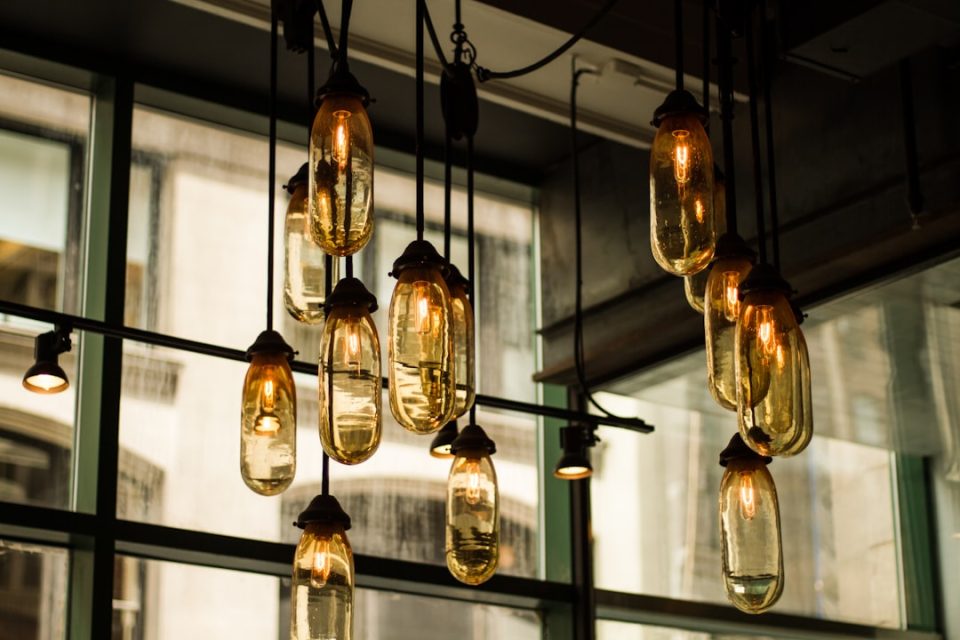
Pendant Lights: Targeted Glow
These are fantastic for individual tables. They can be hung at various heights to create different effects.
- Low-Hung Pendants: Create a very intimate, almost cocoon-like feel. Great for romantic settings or small, focused tables. Be careful not to hang them so low they block conversation or views across the table.
- Higher Pendants: Offer a broader spread of light while still delineating the table space. Often used in conjunction with other lighting.
- Shade Design Matters: The material and shape of the pendant shade will dictate how the light is directed. Opaque shades direct light downwards; translucent shades offer a softer, diffused glow.
Recessed Lighting: Discreet Control
When strategically placed, recessed lights can provide a focused downlight on each table without being visually intrusive.
- Beam Angle: Crucial here. You want a narrow enough beam to focus on the table, but wide enough to cover the whole surface.
- Dimmability: Non-negotiable for recessed lighting above tables. You need to adjust intensity for different times of day or moods.
- Anti-Glare Trims: Essential to prevent diners from looking up into a bright light source.
Table-Specific Lighting: Adding Layers
Sometimes overhead isn’t enough, or you want to add an extra touch of flair and control.
Table Lamps: Portable Ambiance
Not just for homes anymore, small, well-designed table lamps can be incredibly effective.
- Battery-Operated Lamps: The ultimate in flexibility. No cords, no tripping hazards. Perfect for outdoor dining or reconfiguring layouts. Look for rechargeable models with long battery life.
- Candlelight (Real or LED): Timeless. Real candles offer a unique flicker and warmth. LED candles provide the look without the fire hazard, wax drips, or need for constant replacement. A mix often works best.
- Design Integration: Ensure the lamps complement your restaurant’s aesthetic. A rustic bistro might use small hurricane lamps, while a modern spot might opt for sleek, minimalist LED cylinders.
Wall Sconces (Adjacent to Tables): Indirect Glow
If tables are against a wall, sconces can provide a beautiful, indirect light that softly illuminates the table area.
- Up-and-Down Lighting: Some sconces cast light both upwards and downwards, creating interesting patterns and a diffused glow that avoids harsh shadows.
- Material and Finish: The sconce itself becomes part of the decor, so choose wisely.
Light Quality and Color Temperature for Tables
This is where many go wrong. It’s not just about “bright” or “dim.”
Color Temperature (Kelvin): The Mood Setter
- Warm White (2700K-3000K): Generally the gold standard for dining. It’s inviting, comforting, and makes food look vibrant and appealing. Think of a cozy fireplace.
- Neutral White (3500K-4000K): Can work in some contemporary, clean designs but often feels a little too clinical for a truly intimate dining experience. Can be used for general ambient lighting, but less ideal for direct table illumination.
- Cool White (>4000K): Avoid at all costs for dining tables. It makes food look dull, unappetizing, and creates a sterile atmosphere. Save this for kitchens or offices.
Color Rendering Index (CRI): Making Food Pop
- High CRI (90+): Absolutely crucial. This measures how accurately a light source renders colors compared to natural light. A high CRI light will make your vibrant green garnishes look truly green, your perfectly seared steak look rich and brown, and your red wine look deep ruby.
- Low CRI: Makes colors appear muted, dull, or even distorted. This is why cheap LED bulbs often make everything look a bit “off.” Invest in high CRI bulbs for your dining areas, especially over tables.
The Pass Lighting: Where Food Becomes Art
The pass is the bridge between kitchen and dining room, where the final touches are applied and dishes are inspected. Lighting here needs to be functional, precise, and flattering for the food.
Functional Brilliance: Seeing Every Detail
The primary goal here is clarity and accuracy. Chefs need to see every crumb, every drizzle, every perfectly placed herb.
Linear LED Fixtures: Even Illumination
These are often the workhorse of the pass. They provide a continuous, even wash of light.
- Under-Shelf or Over-Counter Mounting: Position them to illuminate the entire pass surface without casting shadows from the chef’s hands or head.
- Waterproof/Greaseproof Ratings: Crucial in a kitchen environment. Look for IP-rated fixtures.
- High Lumen Output: You need enough brightness to ensure precise plating and quality control.
Spotlights/Task Lighting: Precision Where It Counts
Sometimes, a general wash isn’t enough, or you have specific stations at the pass.
- Adjustable Heads: Allow chefs to direct light exactly where they need it for intricate tasks.
- Focused Beams: Good for highlighting specific plating areas or quality check zones.
Showcasing the Culinary Art: The “Reveal”
While the kitchen pass is primarily functional, it also serves as a brief “preview” for the dining room. The lighting here can elevate the perception of the food.
Accent Lighting: The Spotlight Moment
If your pass is visible to diners, subtle accent lighting can turn it into a mini-stage.
- Small Downlights: Focused on the finished dishes as they wait for service.
- Under-Counter Lighting: Can create an appealing glow on the base of the pass, making the area feel more inviting if visible.
Backlighting (for certain passes): Dramatic Effect
If your pass has open shelving or a transparent element, backlighting can create a striking silhouette effect, particularly for drinks or dessert displays.
- LED Strips: Flexible and easy to install behind shelves or under countertops.
- Color-Changing Options: Can be fun for special events or themed nights, but generally stick to neutral or warm whites for food.
Light Quality and Color Temperature for the Pass
This is a bit different from the dining tables. While you still want high CRI, the color temperature might lean slightly cooler for optimal clarity.
Color Temperature (Kelvin): Clarity and Accuracy
- Neutral White (3500K-4000K): Often ideal for the pass. It provides excellent clarity without being too harsh, allowing chefs to accurately see food colors and textures. It feels clean and efficient.
- Warm White (3000K): Can still work, especially if the pass is very open to a warm-toned dining room. It maintains food appeal but might slightly soften visual clarity for intricate tasks.
- High CRI (90+): Still paramount. Chefs must see the true colors of ingredients and finished dishes for quality control and aesthetic presentation.
Dimmability and Zoning: Adaptability
- Separate Zones: The pass might need different lighting levels throughout the day or for different tasks. Consider zoning your lighting so different sections can be independently controlled.
- Dimmable Fixtures: Useful for adjusting brightness for deep cleaning versus service, or for creating a slightly softer look if the pass is highly visible to diners during certain hours.
Practical Considerations for Both Areas
Beyond the aesthetic, there are some very real, practical things to keep in mind for both table and pass lighting.
Energy Efficiency: Saving Pennies, Saving the Planet
- LED Technology: This is a no-brainer. LEDs consume far less energy, last significantly longer, and generate less heat than traditional bulbs.
- Smart Controls: Dimmers, timers, and motion sensors can further reduce energy consumption by ensuring lights are only on when and where needed, and at the optimal brightness.
Maintenance and Durability: Less Downtime, More Dining
- Accessible Fixtures: Can you easily change a bulb or clean a fixture without major disruption?
- Commercial Grade: Restaurant environments are tough. Choose fixtures designed for commercial use; they’ll withstand more wear and tear, grease, and cleaning agents.
- Easy to Clean: Especially important for the pass, but also for dining tables. Dust, grime, and grease accumulate. Smooth, non-porous surfaces are best.
Safety and Compliance: Keeping Everyone Safe
- Electrical Codes: Ensure all wiring and fixtures comply with local electrical codes. This is non-negotiable.
- Heat Output: LEDs are great here, but some fixtures can still generate heat. Ensure they are placed safely, especially around flammable materials or where staff might touch them.
- Glare Control: Glare is uncomfortable and distracting. Use diffusers, frosted bulbs, or carefully positioned fixtures to minimize it for both diners and staff. For the pass, glare can impact a chef’s ability to see clearly.
Putting It All Together: A Cohesive Lighting Strategy
The key is not to think of table lighting and pass lighting in isolation, but as part of a larger, cohesive lighting design for your entire restaurant.
Layering Light: Creating Depth and Interest
Think in terms of ambient, task, and accent lighting for all areas.
- Ambient: The overall light level (often from general overhead fixtures).
- Task: Focused light for specific activities (like eating at a table or plating at the pass).
- Accent: Highlights architectural features, artwork, or, in our case, the food itself.
The Flow of Light: From Door to Plate
Consider how the lighting transitions from the entrance, to the host stand, to the bar, to the dining area, and finally to your table. There should be a subtle, logical progression that guides the customer and enhances their journey. The pass lighting, even if only briefly glimpsed, should feel like a natural extension of the kitchen’s efficiency and the dining room’s appeal.
Mock-Ups and Testing: See It Before You Commit
Don’t just guess! Before a full installation, test out different fixtures, bulb types, and dimming levels.
- Night-Time Testing: Crucial to see how the lighting truly performs after dark.
- Plate Test: Put an actual plate of food under the proposed lighting. Does it look delicious? Does it look dull?
- Diner’s Perspective: Sit at a table and experience the lighting as a customer would. Is there glare? Is it comfortable?
By giving your table and pass lighting the thoughtful attention they deserve, you’re not just illuminating spaces; you’re elevating the entire dining experience, making your food look its best, and creating an atmosphere that keeps customers coming back. It’s an investment that truly pays off, both aesthetically and in your bottom line.